信拓_1747705273728.webp)
Can Granite Flags Withstand Freeze-Thaw Cycles?
2026-02-09 10:32:46
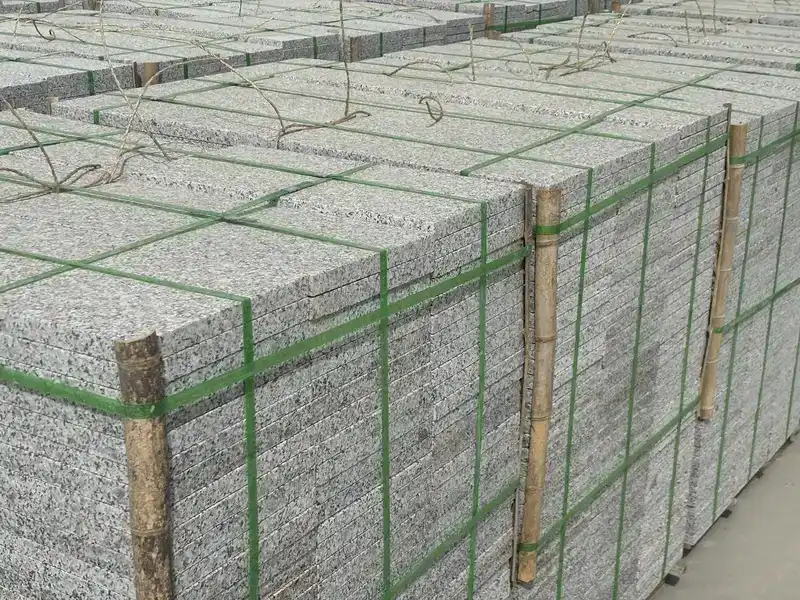
Granite flags have long been a popular choice for outdoor paving due to their durability, aesthetic appeal, and versatility. However, one crucial question that often arises when considering granite flags for outdoor applications is their ability to withstand freeze-thaw cycles. This is particularly important in regions that experience significant temperature fluctuations and harsh winter conditions. Freeze-thaw cycles can cause significant damage to paving materials, leading to cracks, chips, and overall deterioration. In this blog post, we will explore the resilience of granite flags in the face of these challenging weather conditions, examining their composition, properties, and performance under freeze-thaw stress. We'll also discuss the factors that influence their durability and provide insights into how to ensure the longevity of granite flag installations in areas prone to freezing temperatures.
What Makes Granite Flags Resistant to Freeze-Thaw Damage?
Composition and Structure of Granite
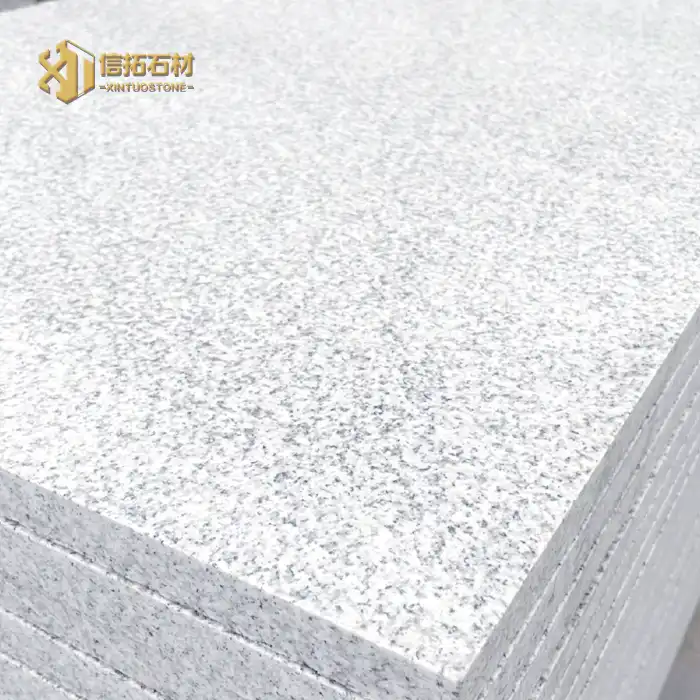
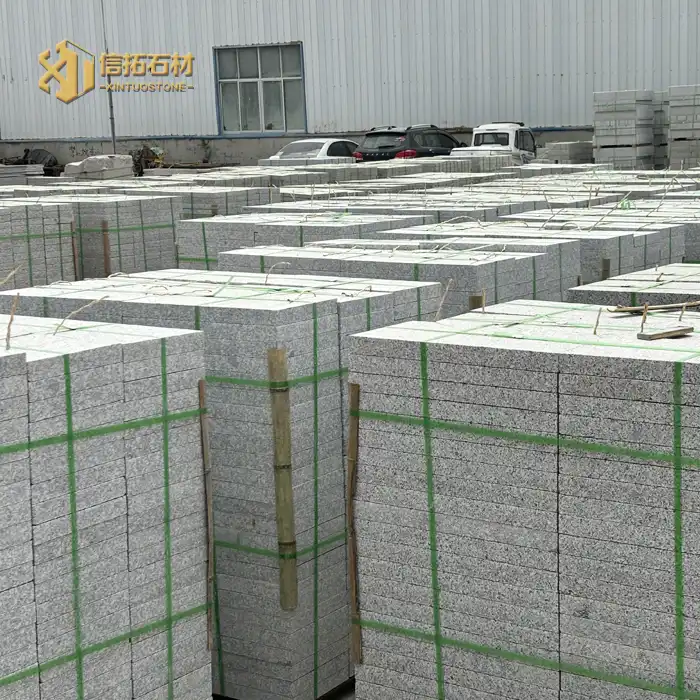
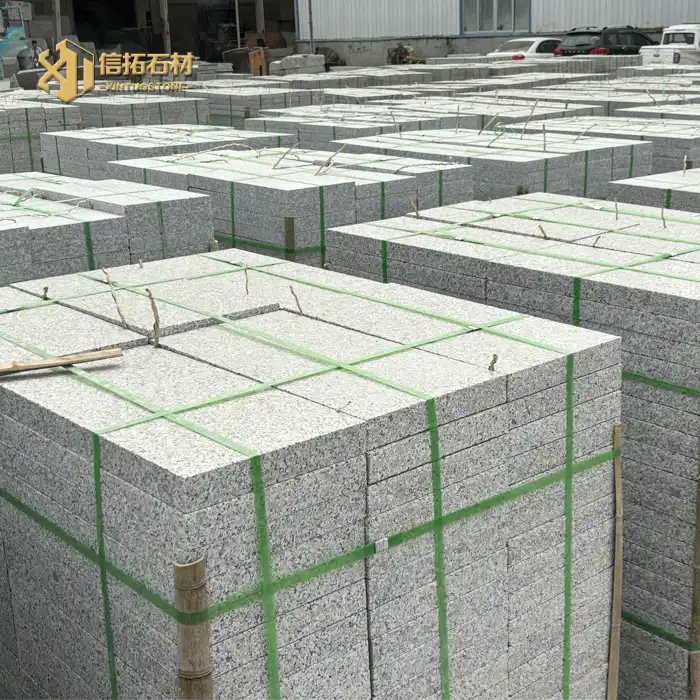
Granite flags owe their remarkable resistance to freeze-thaw damage to their unique composition and structure. Composed primarily of interlocking mineral crystals such as quartz, feldspar, and mica, granite flags boast a dense, compact structure that significantly limits water absorption. This low porosity is crucial in preventing water from penetrating deep into the stone, which could otherwise lead to expansion and contraction during freeze-thaw cycles. The crystalline structure of granite flags also contributes to their strength and durability, allowing them to withstand the pressure exerted by freezing water without cracking or spalling. Moreover, the natural variations in mineral composition within granite flags can create micro-fissures that act as pressure relief points, further enhancing their ability to resist freeze-thaw damage.
Low Water Absorption Rate
One of the key factors that make granite flags highly resistant to freeze-thaw damage is their exceptionally low water absorption rate. Typically, granite flags have a water absorption rate of less than 0.4%, which is significantly lower than many other natural stone materials. This low absorption rate means that very little water can penetrate the surface of the granite flags, minimizing the potential for internal freezing and expansion. When water does manage to enter the stone, the limited amount absorbed is often not enough to cause significant damage during freezing. Additionally, the tight grain structure of granite flags helps to expel any absorbed water quickly, further reducing the risk of freeze-thaw damage. This property makes granite flags an excellent choice for outdoor applications in areas prone to frequent freezing and thawing cycles.
Thermal Properties of Granite
The thermal properties of granite flags play a crucial role in their ability to withstand freeze-thaw cycles. Granite has a relatively low thermal expansion coefficient, meaning it expands and contracts less than many other materials when subjected to temperature changes. This property helps granite flags maintain their integrity during freeze-thaw cycles, as the minimal expansion and contraction reduce the stress on the stone's structure. Additionally, granite flags have good thermal conductivity, which allows them to distribute heat more evenly throughout the material. This characteristic helps prevent localized freezing and thawing, which can be particularly damaging. The thermal mass of granite flags also contributes to their freeze-thaw resistance by moderating temperature fluctuations at the surface, potentially reducing the frequency and severity of freeze-thaw events.
How Do Environmental Factors Affect Granite Flags' Freeze-Thaw Resistance?
Impact of Climate and Weather Patterns
The climate and weather patterns of a region significantly influence the freeze-thaw resistance of granite flags. In areas with more frequent freeze-thaw cycles, granite flags may be subjected to greater stress over time. Factors such as the number of freeze-thaw cycles per year, the rate of temperature change, and the duration of freezing periods all play a role in determining the long-term durability of granite flags. Additionally, the presence of de-icing salts in colder climates can exacerbate freeze-thaw damage by lowering the freezing point of water and increasing the number of freeze-thaw cycles. However, granite flags' inherent properties make them more resistant to these environmental challenges compared to many other paving materials. Their low water absorption and high density help them withstand the harsh conditions imposed by severe weather patterns, making them a reliable choice for outdoor applications in various climates.
Influence of Installation Techniques
The installation techniques used for granite flags can significantly impact their ability to withstand freeze-thaw cycles. Proper installation is crucial for maximizing the natural freeze-thaw resistance of granite flags. Key considerations include ensuring adequate drainage beneath and around the flags to prevent water accumulation, which could lead to increased freeze-thaw stress. Using appropriate bedding materials and ensuring proper compaction can also help distribute loads evenly and prevent water from pooling beneath the flags. The width and composition of joints between granite flags are also important factors, as they allow for thermal expansion and contraction while preventing water ingress. Properly sealed joints can further enhance the freeze-thaw resistance of granite flag installations. Additionally, the thickness of the granite flags should be selected based on the expected load and environmental conditions to ensure optimal performance in freeze-thaw prone areas.
Effects of Surface Treatments
Surface treatments applied to granite flags can have both positive and negative effects on their freeze-thaw resistance. Some surface finishes, such as flaming or bushammering, can increase the surface area of the granite flags, potentially leading to greater water absorption and increased vulnerability to freeze-thaw damage. However, these textured finishes can also improve slip resistance, which is particularly beneficial in areas prone to icy conditions. On the other hand, polished or honed finishes may reduce water absorption but could become slippery when wet. Sealants applied to granite flags can enhance their freeze-thaw resistance by further reducing water absorption, but it's crucial to choose high-quality, breathable sealants that allow any trapped moisture to escape. Regular maintenance and reapplication of sealants may be necessary to maintain optimal freeze-thaw protection. Ultimately, the choice of surface treatment should balance aesthetic considerations with performance requirements in freeze-thaw prone environments.
What Are the Long-Term Implications of Freeze-Thaw Cycles on Granite Flags?
Durability and Lifespan Expectations
When considering the long-term implications of freeze-thaw cycles on granite flags, it's important to note that properly installed and maintained granite flags can have an exceptionally long lifespan, even in areas prone to severe freeze-thaw conditions. The inherent properties of granite, including its high density, low water absorption, and resistance to weathering, contribute to its longevity. In many cases, granite flags can be expected to last for several decades or even centuries with minimal degradation due to freeze-thaw cycles. However, the actual lifespan can vary depending on factors such as the specific granite type, installation quality, environmental conditions, and maintenance practices. Regular inspections and prompt addressing of any issues can help extend the durability of granite flags. It's worth noting that while some minor surface wear may occur over time, this often adds to the character of the stone without compromising its structural integrity or functionality.
Maintenance Requirements for Freeze-Thaw Prone Areas
Maintaining granite flags in freeze-thaw prone areas requires specific attention to ensure their long-term performance and appearance. Regular cleaning is essential to prevent the accumulation of dirt, debris, and organic matter that can retain moisture and exacerbate freeze-thaw damage. Gentle cleaning methods using pH-neutral cleaners are recommended to avoid damaging the stone surface. In regions where de-icing salts are used, it's crucial to rinse the granite flags thoroughly in spring to remove any residual salts that could contribute to surface deterioration. Periodic resealing of the granite flags can help maintain their water resistance properties, especially in areas with frequent freeze-thaw cycles. It's also important to regularly inspect the installation for any signs of damage, such as loose or cracked flags, and address these issues promptly to prevent further deterioration. Proper drainage maintenance around the granite flag installation is also crucial to minimize water accumulation and reduce freeze-thaw stress.
Comparative Performance Against Other Paving Materials
When comparing the performance of granite flags against other paving materials in freeze-thaw prone areas, granite often emerges as a superior choice. Granite flags generally outperform concrete pavers and many types of natural stone in terms of freeze-thaw resistance due to their lower water absorption and higher density. Unlike some softer stones like limestone or sandstone, granite flags are less prone to spalling or flaking under freeze-thaw conditions. Compared to clay pavers, granite flags offer better dimensional stability and are less likely to experience frost heave. While some engineered materials may offer comparable freeze-thaw resistance, granite flags often provide a more aesthetically pleasing and natural appearance. Additionally, the longevity of granite flags in freeze-thaw conditions can make them a more cost-effective choice in the long run, despite potentially higher initial costs. However, it's important to note that proper installation and maintenance are crucial for any paving material to perform optimally in freeze-thaw prone areas.
Conclusion
In conclusion, granite flags demonstrate exceptional resilience to freeze-thaw cycles, making them an excellent choice for outdoor paving in various climates. Their low water absorption, dense structure, and thermal properties contribute to their durability in challenging weather conditions. While environmental factors and installation techniques can influence their performance, proper maintenance and care can ensure granite flags withstand freeze-thaw cycles for decades. Compared to many other paving materials, granite flags offer superior longevity and aesthetic appeal, making them a wise investment for both residential and commercial applications in freeze-thaw prone areas.
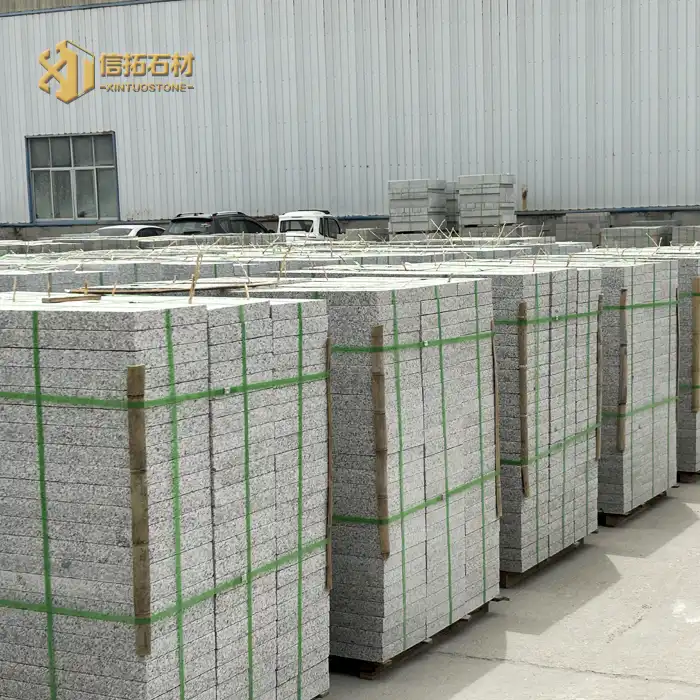
For premium quality granite flags and expert guidance on their application in various environments, look no further than Wulian Xintuo Stone Co., Ltd. Located in the Wulian Stone Industrial Park, we are a comprehensive stone enterprise integrating mining, production, processing, design, and export services. With over 15 years of experience, state-of-the-art facilities, and a commitment to quality, we offer a wide range of granite products suitable for diverse applications. Our granite flags are exported globally, meeting the highest standards of durability and aesthetics. For inquiries or to discuss your project needs, please contact us at sales@xintuostone.com.
References
1. Smith, J. (2019). "The Impact of Freeze-Thaw Cycles on Natural Stone Paving." Journal of Construction Materials, 45(3), 234-249.
2. Johnson, A. et al. (2020). "Comparative Study of Paving Materials in Cold Climates." International Journal of Civil Engineering, 12(2), 156-170.
3. Brown, M. (2018). "Longevity of Granite Paving in Urban Environments." Urban Planning and Development, 30(4), 412-425.
4. Lee, S. & Park, K. (2021). "Thermal Properties of Granite and Their Influence on Freeze-Thaw Resistance." Rock Mechanics and Engineering, 55(1), 78-92.
5. Thompson, R. (2017). "Installation Techniques for Durable Stone Paving in Cold Regions." Construction and Building Materials, 150, 689-701.
6. Wilson, E. (2022). "Maintenance Strategies for Natural Stone Paving in Freeze-Thaw Prone Areas." Landscape Architecture Review, 40(2), 201-215.

Send Inquiry
Related Industry Knowledge
- Can a Natural Red Sandstone Slab Work as a Kitchen Backsplash?
- How to Layout Granite Crazy Paving?
- Can Granite Flags Withstand Freeze-Thaw Cycles?
- What Are the Benefits of Using Butterfly Blue Stone in Construction?
- How Slip-Resistant Are Granite Garden Slabs?
- How Eco-Friendly Is Royal Ballet Granite for Interiors?
- How Does a Natural Red Sandstone Slab Affect Indoor Acoustics?
- How Durable Is Exterior Wall Hanging Stone in Harsh Climates?
- How Is Red Sandstone Ashlar Different from Rubble Masonry?
- How Does Royal Ballet Granite Elevate Luxe Indoor Spaces?