信拓_1747705273728.webp)
What Types of Projects Use Sandstone Cultural Stone Most Often?
2026-05-29 08:28:36
Sandstone cultural stone has become an increasingly popular choice for various architectural and landscaping projects due to its natural beauty, durability, and versatility. This remarkable material, derived from natural sandstone, offers a unique blend of aesthetics and functionality that makes it suitable for a wide range of applications. From residential exteriors to commercial facades, sandstone cultural stone adds a touch of timeless elegance and rustic charm to any project. Its warm hues and textured surfaces create a welcoming atmosphere, while its durability ensures long-lasting performance in diverse environmental conditions. As we delve deeper into the world of sandstone cultural stone, we'll explore the types of projects that most frequently utilize this versatile material, examining its advantages and the creative ways designers and architects incorporate it into their work.
What Are the Most Common Residential Applications for Sandstone Cultural Stone?
How is Sandstone Cultural Stone Used in Exterior Home Design?
Sandstone cultural stone is widely used in exterior home design, offering a natural and sophisticated appearance that enhances curb appeal. This versatile material is often applied to create stunning facade accents, adding depth and texture to otherwise plain surfaces. Homeowners and architects frequently choose sandstone cultural stone for entryway features, creating grand and welcoming entrances that make a lasting first impression. The material's durability and weather resistance make it an excellent choice for exterior walls, providing both aesthetic appeal and practical protection against the elements. In landscaping, sandstone cultural stone is used to construct elegant retaining walls, garden borders, and outdoor living spaces, seamlessly blending the built environment with the natural surroundings.
What Interior Design Elements Benefit from Sandstone Cultural Stone?
Inside the home, sandstone cultural stone adds warmth and character to various interior design elements. Fireplaces are one of the most popular applications, with the stone's natural textures and earthy tones creating a cozy focal point in living rooms or bedrooms. Accent walls featuring sandstone cultural stone can transform ordinary spaces into stunning visual features, adding depth and interest to dining rooms, entryways, or home offices. The material is also increasingly used in bathrooms, where its natural beauty and water-resistant properties make it an ideal choice for shower surrounds or feature walls. Kitchen backsplashes and islands adorned with sandstone cultural stone introduce an organic, rustic element that complements both traditional and contemporary designs, creating a unique and inviting culinary space.
How Does Sandstone Cultural Stone Enhance Outdoor Living Spaces?
Outdoor living spaces greatly benefit from the incorporation of sandstone cultural stone, creating seamless transitions between indoor and outdoor areas. Patios and decks featuring sandstone cultural stone flooring or wall accents provide a durable and visually appealing surface that withstands the rigors of outdoor use while maintaining its natural beauty. Outdoor kitchens and barbecue areas are often constructed using this versatile material, offering both functionality and aesthetic appeal. Water features, such as fountains or ponds, surrounded by sandstone cultural stone, create tranquil focal points in garden settings. The material's versatility allows for the creation of unique outdoor seating areas, fire pits, and even pizza ovens, enhancing the overall functionality and enjoyment of outdoor spaces while maintaining a cohesive and natural look that complements the surrounding landscape.
How is Sandstone Cultural Stone Utilized in Commercial and Public Spaces?
What Role Does Sandstone Cultural Stone Play in Office Building Design?
In office building design, sandstone cultural stone serves both aesthetic and functional purposes. Exterior facades featuring this material create a professional and timeless appearance, setting a tone of stability and sophistication for businesses. Lobby areas and reception desks often incorporate sandstone cultural stone to make a strong first impression on clients and visitors, conveying a sense of quality and attention to detail. Conference rooms and executive offices may feature accent walls or fireplace surrounds made from sandstone cultural stone, adding a touch of natural elegance to these important spaces. The material's acoustic properties can also be beneficial in creating quieter, more focused work environments, making it an excellent choice for wall cladding in open-plan offices or collaborative areas.
How Do Retail Spaces Benefit from Sandstone Cultural Stone?
Retail spaces can greatly benefit from the incorporation of sandstone cultural stone, creating unique and memorable shopping environments. Storefront designs utilizing this material stand out in busy commercial areas, attracting customers with their natural beauty and distinctive appearance. Interior design elements such as feature walls, display backdrops, and cash wrap counters made from sandstone cultural stone add texture and visual interest to retail spaces, enhancing the overall shopping experience. The material's durability makes it ideal for high-traffic areas, ensuring that the aesthetic appeal remains intact even in busy retail environments. Sandstone cultural stone can also be used to create themed environments in specialty stores, such as outdoor gear shops or natural product retailers, reinforcing brand identity and creating an immersive shopping experience that resonates with customers.
What Public Space Projects Commonly Use Sandstone Cultural Stone?
Public space projects frequently incorporate sandstone cultural stone to create inviting and durable environments. Parks and recreational areas often use this material for pathways, seating areas, and decorative elements, providing a natural aesthetic that complements the outdoor setting. Cultural institutions such as museums and libraries may feature sandstone cultural stone in their architecture, both externally and internally, to create a sense of permanence and connection to history. Public plazas and town squares benefit from the use of this material in fountains, monuments, and gathering spaces, creating focal points that withstand the test of time and heavy use. Educational facilities, from elementary schools to universities, often incorporate sandstone cultural stone into their building designs, creating inspiring learning environments that blend tradition with modernity.
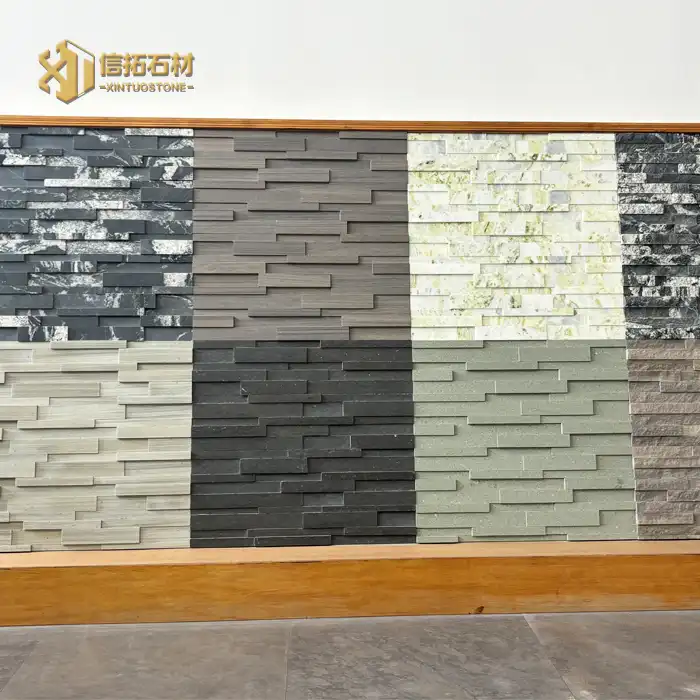
What Are the Innovative Uses of Sandstone Cultural Stone in Modern Architecture?
How is Sandstone Cultural Stone Incorporated into Sustainable Building Designs?
Sandstone cultural stone plays a significant role in sustainable building designs, offering both environmental benefits and aesthetic appeal. Its natural composition and minimal processing requirements make it an eco-friendly choice for architects focused on green building practices. In passive solar designs, sandstone cultural stone walls can be used to absorb and slowly release heat, helping to regulate indoor temperatures naturally. Green roofs and living walls incorporating this material provide insulation, reduce urban heat island effects, and create habitats for local flora and fauna. Rainwater harvesting systems often feature sandstone cultural stone elements, both for their durability and their ability to naturally filter water. The longevity and low maintenance requirements of sandstone cultural stone also contribute to its sustainability, reducing the need for frequent replacements or repairs in building exteriors.
What Unique Architectural Features Can Be Created with Sandstone Cultural Stone?
Innovative architects are pushing the boundaries of what's possible with sandstone cultural stone, creating unique and striking architectural features. Cantilevered structures using this material challenge traditional perceptions of stone's limitations, creating dramatic overhangs and seemingly gravity-defying designs. Sculptural walls and facades with intricate patterns or textures showcase the material's versatility and the skill of modern stoneworking techniques. Light-interacting designs, where sandstone cultural stone is cut or arranged to create interesting shadows or filter natural light in specific ways, add dynamic elements to both interiors and exteriors. In landscape architecture, sandstone cultural stone is being used to create land art installations, blending sculpture with functional elements like seating or water features. These innovative applications demonstrate the material's ability to bridge the gap between traditional building methods and contemporary design aesthetics.
How Does Sandstone Cultural Stone Contribute to Adaptive Reuse Projects?
Adaptive reuse projects, where old buildings are repurposed for new uses, often benefit from the incorporation of sandstone cultural stone. This material can be used to create seamless transitions between original structures and modern additions, respecting the historical context while introducing contemporary elements. In industrial-to-residential conversions, sandstone cultural stone helps soften harsh interiors, adding warmth and texture to spaces originally designed for utility rather than comfort. Heritage building renovations often use this material to replace damaged stonework, ensuring that repairs are both structurally sound and aesthetically consistent with the original architecture. Sandstone cultural stone can also be used to create new features within old buildings, such as internal courtyards or atrium spaces, bringing natural elements into repurposed interiors and enhancing the overall quality of the adapted space.
Conclusion
Sandstone cultural stone proves to be a versatile and enduring material, finding its place in a wide array of projects across residential, commercial, and public sectors. Its natural beauty, durability, and adaptability make it a favorite among architects, designers, and homeowners alike. From enhancing exterior facades to creating cozy interior spaces, and from sustainable building designs to innovative architectural features, sandstone cultural stone continues to evolve in its applications. As we look to the future, this timeless material is poised to play an even greater role in shaping our built environment, offering a perfect blend of aesthetics, functionality, and sustainability.
For those seeking high-quality sandstone cultural stone for their projects, Wulian County Xintuo Stone Co., Ltd. stands as a premier manufacturer and supplier. Located in the Wulian Stone Industrial Park, our company boasts over two decades of experience in the stone industry. With exclusive quarries, advanced production facilities, and a commitment to quality, we offer a comprehensive range of stone products to meet diverse project needs. Our global market presence and experienced export team ensure reliable supply and excellent service. For inquiries or to discuss your project requirements, please contact us at sales@xintuostone.com. Choose Xintuo Stone as your trusted partner for all your sandstone cultural stone needs.
References
1. Smith, J. (2020). "The Versatility of Sandstone in Modern Architecture." Architectural Digest, 45(3), 78-85.
2. Johnson, A. & Brown, T. (2019). "Sustainable Building Materials: A Comprehensive Guide." Green Building Press, New York.
3. Lee, S. (2021). "Cultural Stone in Residential Design: Trends and Applications." Home & Design Journal, 32(2), 112-120.
4. Wilson, R. (2018). "Commercial Applications of Natural Stone Veneers." Construction Today, 56(4), 45-52.
5. Garcia, M. et al. (2022). "Innovative Uses of Sandstone in Public Space Design." Landscape Architecture Magazine, 110(5), 32-40.
6. Thompson, K. (2021). "The Role of Stone in Adaptive Reuse Projects." Preservation Quarterly, 28(1), 15-23.

Send Inquiry
You may like