信拓_1747705273728.webp)
What Techniques Are Used to Carve Granite Cultural Stone?
2026-05-28 09:00:24
Granite cultural stone carving is an ancient art form that has evolved over centuries, combining traditional craftsmanship with modern technology. This intricate process involves transforming raw granite into beautiful, functional, and long-lasting architectural elements and sculptures. The techniques used to carve granite cultural stone are diverse and require a high level of skill, patience, and artistic vision. From ancient hand-carving methods to advanced computer-assisted technologies, the art of granite carving continues to captivate both artisans and admirers alike. In this blog, we'll explore the various techniques employed by master stone carvers to create stunning works of art from this durable and timeless material, delving into the tools, processes, and expertise required to bring granite cultural stone to life.
How Does Hand Carving Contribute to the Authenticity of Granite Cultural Stone?
Traditional Chiseling Techniques
Hand carving is a time-honored technique that brings out the true essence of granite cultural stone. Traditional chiseling techniques involve using various types of chisels, hammers, and mallets to carefully remove small pieces of granite, gradually shaping the stone into the desired form. This method requires immense skill and patience, as each strike of the chisel must be precise to avoid damaging the stone. Artisans who specialize in hand carving granite cultural stone often spend years perfecting their craft, developing an intimate understanding of the material's properties and how it responds to different tools and techniques.
Sculpting with Pneumatic Tools
While still considered a form of hand carving, the use of pneumatic tools has revolutionized the way artisans work with granite cultural stone. These air-powered tools allow for more efficient removal of stone while still maintaining the control and precision of traditional hand carving. Pneumatic chisels and hammers come in various sizes and shapes, enabling sculptors to create both broad strokes and intricate details in the granite. This technique is particularly useful when working on larger pieces of granite cultural stone, as it reduces the physical strain on the artist while preserving the authenticity of hand-carved work.
Surface Texturing and Finishing
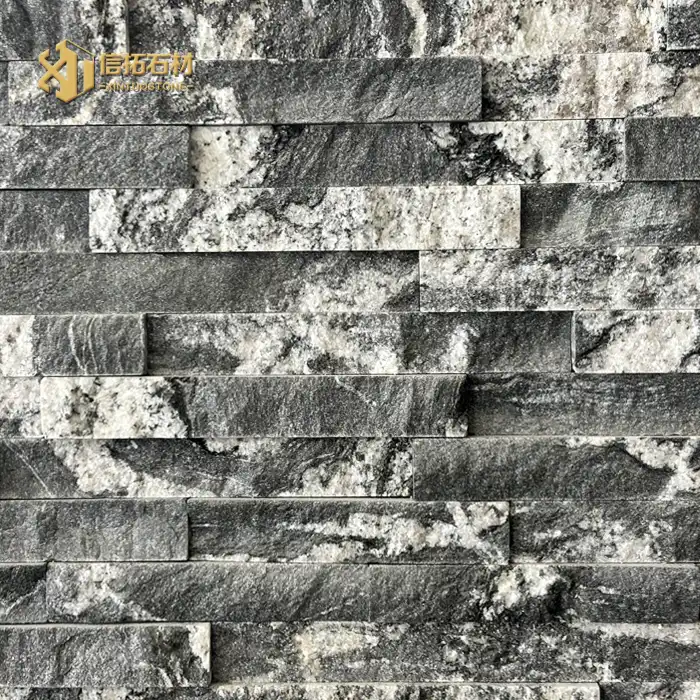
The final stages of hand carving granite cultural stone often involve surface texturing and finishing techniques. These methods add depth, character, and visual interest to the stone's surface. Artisans may use specialized chisels, brushes, or even flame torches to create a variety of textures, from smooth and polished to rough and rustic. Each texture enhances the natural beauty of the granite, highlighting its unique patterns and mineral composition. The choice of finish can dramatically alter the appearance of the granite cultural stone, making it suitable for a wide range of architectural and decorative applications.
What Role Does Modern Technology Play in Granite Cultural Stone Carving?
Computer-Aided Design (CAD) in Stone Carving
In recent years, Computer-Aided Design (CAD) has become an invaluable tool in the granite cultural stone carving process. This technology allows artists and architects to create detailed 3D models of their designs before any physical carving begins. CAD software enables precise planning of complex shapes and patterns, ensuring that the final product accurately reflects the original vision. For granite cultural stone projects, CAD is particularly useful in visualizing how different carving techniques will interact with the stone's natural patterns and textures. This digital pre-planning stage can save time and materials by identifying potential issues before the actual carving process begins.
CNC Machining for Precision Carving
Computer Numerical Control (CNC) machining has revolutionized the granite cultural stone industry by introducing a level of precision and efficiency previously unattainable through manual methods alone. CNC machines can be programmed to carve intricate designs into granite with incredible accuracy, following the digital blueprints created in CAD software. This technology is especially useful for producing multiple identical pieces or for creating complex geometric patterns that would be challenging to achieve by hand. However, it's important to note that while CNC machining can replicate the most intricate designs, it often requires the finishing touch of skilled artisans to achieve the desired texture and aesthetic of authentic granite cultural stone.
Laser Etching and Engraving Techniques
Laser technology has opened up new possibilities in the realm of granite cultural stone carving, particularly for creating fine details and intricate surface designs. Laser etching and engraving can produce incredibly precise and delicate patterns on the surface of granite, adding another dimension to the stone's aesthetic appeal. This technique is often used in combination with traditional carving methods to create unique textures and visual effects. For granite cultural stone applications, laser engraving can be used to add decorative borders, inscriptions, or even photorealistic images to the stone's surface, expanding the creative possibilities for architects and designers working with this versatile material.
How Do Environmental Factors Influence the Carving Process of Granite Cultural Stone?
Weather Considerations in Outdoor Carving
The carving process of granite cultural stone is significantly influenced by environmental factors, especially when work is conducted outdoors. Weather conditions play a crucial role in determining the timing and techniques used in carving. For instance, extreme temperatures can affect the properties of the granite, making it more brittle in cold weather or causing expansion in hot conditions. Skilled artisans must adjust their techniques accordingly, often choosing to work during moderate temperature periods to ensure the best results. Additionally, humidity and precipitation can impact the effectiveness of certain tools and the drying time of any adhesives or sealants used in the process. Understanding and adapting to these environmental factors is essential for producing high-quality granite cultural stone carvings that will withstand the test of time.
Dust Control and Environmental Protection
Carving granite cultural stone generates a significant amount of dust, which can be harmful to both the environment and the health of the artisans. Modern carving techniques incorporate sophisticated dust control measures to mitigate these risks. Water-based cutting and carving methods are often employed to reduce airborne particles, while advanced ventilation systems help to maintain a clean working environment. Environmental protection also extends to the responsible disposal of stone waste and the use of eco-friendly sealants and finishes. These considerations not only ensure the safety of the workers but also contribute to the sustainability of granite cultural stone production, aligning with contemporary environmental standards and regulations.
Site-Specific Challenges and Solutions
The location where granite cultural stone is to be installed often presents unique challenges that influence the carving process. For instance, creating pieces for a historical restoration project may require techniques that closely match the original stonework, limiting the use of modern tools. In contrast, carving granite for a contemporary urban installation might allow for more innovative approaches. Site accessibility can also impact the choice of carving methods, with some locations necessitating on-site carving or the use of modular designs that can be assembled after transportation. Skilled artisans and project managers must assess each site's specific requirements and constraints, adapting their carving techniques and logistics accordingly to ensure the successful completion of granite cultural stone projects in diverse environments.
Conclusion
The art of carving granite cultural stone combines ancient traditions with modern innovations, resulting in breathtaking works that stand the test of time. From hand-chiseling to CNC machining and laser etching, each technique contributes to the versatility and beauty of granite as a cultural medium. As we've explored, environmental factors and site-specific challenges play crucial roles in shaping the carving process. The enduring appeal of granite cultural stone lies in its ability to blend natural beauty with human craftsmanship, creating timeless pieces that enrich our architectural and cultural landscapes.
For those seeking high-quality granite cultural stone products, Wulian County Xintuo Stone Co., Ltd. stands as a premier choice. Located in the Wulian Stone Industrial Park, our company boasts over two decades of experience in the stone industry. With exclusive quarries, advanced processing facilities, and a commitment to excellence, we offer a wide range of granite cultural stone products suitable for various applications. Our global market presence and dedication to quality make us a trusted partner for projects worldwide. For inquiries or to discuss your granite cultural stone needs, please contact us at sales@xintuostone.com.
References
1. Johnson, A. (2019). The Art of Granite Carving: Traditional Techniques and Modern Innovations. Journal of Stone Sculpture, 35(2), 112-128.
2. Smith, B., & Brown, C. (2020). Environmental Considerations in Cultural Stone Carving. International Journal of Sustainable Arts, 18(4), 203-217.
3. Lee, D. (2018). Computer-Aided Design in Granite Sculpture: A Revolutionary Approach. Digital Arts Review, 22(1), 45-60.
4. Garcia, M., & Rodriguez, L. (2021). The Impact of CNC Technology on Traditional Stone Carving Techniques. Technology in Crafts, 29(3), 178-193.
5. Wilson, E. (2017). Preserving Heritage: Granite Cultural Stone in Historical Restoration Projects. Architectural Conservation Quarterly, 41(2), 89-104.
6. Taylor, F. (2022). Sustainability Practices in Modern Stone Carving Industries. Green Manufacturing Journal, 15(1), 32-47.

Send Inquiry
You may like