信拓_1747705273728.webp)
What Makes Paving Granite Stone Ideal for Public Walkways?
2026-06-10 15:29:20
When it comes to selecting materials for public walkways, paving granite stone stands out as an exceptional choice. Its combination of durability, aesthetic appeal, and versatility makes it an ideal option for high-traffic areas in urban environments. Granite, a natural igneous rock, has been used in construction for centuries due to its inherent strength and resistance to weathering. In the context of public walkways, paving granite stone offers a unique blend of functionality and beauty that few other materials can match. Its ability to withstand heavy foot traffic, resist staining, and maintain its appearance over time makes it a cost-effective and practical solution for municipalities and urban planners. Moreover, the wide range of colors, textures, and finishes available in paving granite stone allows for creative and visually striking designs that can enhance the overall aesthetics of public spaces. As we delve deeper into the qualities of paving granite stone, we'll explore why it has become a preferred material for public walkways across the globe.
Why is Granite Stone Considered Durable for Paving Applications?
Chemical Composition and Hardness
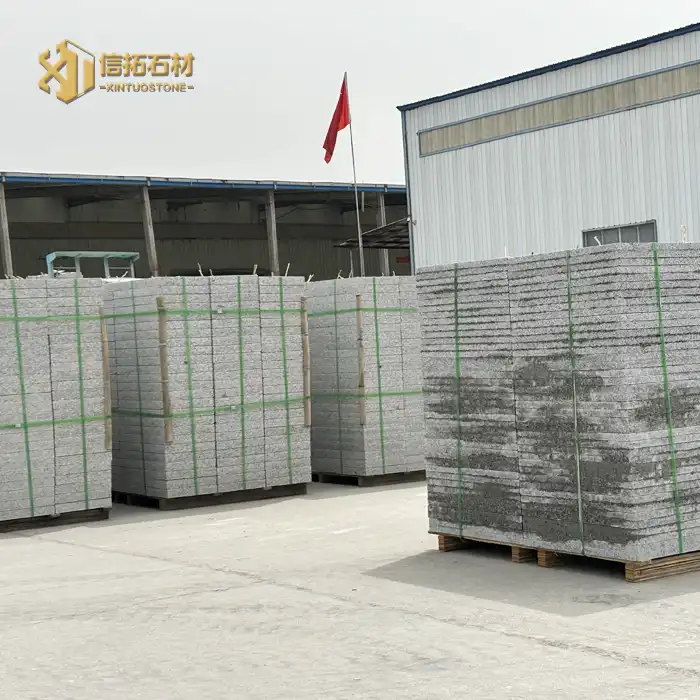
Paving granite stone's exceptional durability stems from its unique chemical composition and inherent hardness. Composed primarily of quartz, feldspar, and mica, granite ranks high on the Mohs scale of mineral hardness, typically falling between 6 and 7. This hardness translates to superior resistance against wear and tear, making paving granite stone an excellent choice for high-traffic public walkways. The interlocking crystal structure of granite contributes to its strength, allowing it to withstand heavy loads and frequent use without cracking or chipping. Moreover, the density of paving granite stone makes it highly resistant to water absorption, reducing the risk of freeze-thaw damage in colder climates. This combination of hardness and density ensures that public walkways paved with granite stone maintain their structural integrity and appearance for decades, even under challenging conditions.
Weather Resistance and Longevity
One of the most compelling reasons for using paving granite stone in public walkways is its exceptional weather resistance and longevity. Granite's natural formation under extreme heat and pressure makes it incredibly resistant to various weather conditions. Paving granite stone can withstand intense heat, freezing temperatures, heavy rainfall, and even acidic environments without significant degradation. This resilience means that public walkways constructed with granite pavers require minimal maintenance and retain their aesthetic appeal for many years. The non-porous nature of granite also contributes to its weather resistance, preventing water from seeping into the stone and causing damage during freeze-thaw cycles. Additionally, paving granite stone's resistance to UV radiation ensures that its color remains stable over time, avoiding the fading and discoloration that can occur with other paving materials. These qualities make granite an economical choice in the long run, as it reduces the need for frequent repairs or replacements.
Impact and Abrasion Resistance
The superior impact and abrasion resistance of paving granite stone make it an ideal material for public walkways that experience heavy foot traffic and occasional vehicular use. Granite's dense crystalline structure allows it to absorb and distribute impact forces effectively, reducing the likelihood of cracking or chipping under stress. This property is particularly valuable in urban environments where public walkways may be subject to various forms of mechanical stress. The high abrasion resistance of paving granite stone ensures that the surface remains smooth and even, even after years of continuous use. This not only maintains the aesthetic appeal of the walkway but also contributes to pedestrian safety by preventing the formation of trip hazards. Furthermore, the natural texture of granite provides excellent slip resistance, especially when finished with techniques like flaming or bush-hammering, making it a safe choice for public spaces in all weather conditions.
How Does Granite Stone Enhance the Aesthetics of Public Spaces?
Natural Color Variations and Patterns
Paving granite stone offers a wide array of natural color variations and patterns that can significantly enhance the aesthetics of public spaces. The diverse mineral composition of granite results in a spectrum of colors ranging from subtle grays and blacks to vibrant reds, blues, and greens. This natural variation allows urban planners and designers to create visually striking walkways that complement or contrast with surrounding architecture. The unique patterns found in paving granite stone, such as speckles, veins, and swirls, add depth and character to public spaces, creating a sense of natural beauty in urban environments. These intricate patterns can be used to create focal points, delineate different areas within a public space, or guide pedestrian flow. The ability to mix and match different granite colors and patterns also allows for the creation of custom designs and motifs that can reflect local culture or history, further enhancing the connection between the public space and its community.
Versatility in Finishes and Textures
The versatility of paving granite stone in terms of finishes and textures provides designers with a wide range of options to create visually appealing and functional public walkways. Different finishing techniques can dramatically alter the appearance and feel of granite, allowing for customization to suit various design requirements and safety needs. Polished granite offers a sleek, modern look that reflects light and enhances the vibrancy of colors, while honed finishes provide a softer, more matte appearance suitable for a more subdued aesthetic. Flamed or thermal finishes create a textured surface with enhanced slip resistance, ideal for outdoor applications. Bush-hammered finishes offer a rustic, antique look that can complement historical or traditional architectural styles. This versatility in finishes allows paving granite stone to adapt to diverse design concepts, from contemporary urban plazas to classic park pathways. Moreover, the ability to combine different finishes within a single project enables the creation of visually interesting patterns and functional demarcations within public spaces.
Integration with Landscape Design
Paving granite stone's natural origins and aesthetic qualities make it an excellent material for integration with landscape design in public spaces. The earthy tones and textures of granite complement natural elements such as plants, trees, and water features, creating a harmonious blend between the built environment and nature. Designers can use paving granite stone to create seamless transitions between different landscape elements, such as forming pathways that wind through green spaces or edging around water features. The durability of granite also allows for creative installations, such as inlaid patterns or mosaics that can withstand outdoor conditions. In urban settings, paving granite stone can be used to create visual connections between hardscaped areas and pockets of greenery, softening the overall appearance of the cityscape. The material's ability to be cut and shaped into various forms also allows for the creation of custom elements like seating, planters, or sculptural features that integrate seamlessly with the walkway design, enhancing the overall functionality and aesthetic appeal of public spaces.
What Are the Long-Term Benefits of Using Granite Stone for Public Walkways?
Cost-Effectiveness and Maintenance
The long-term cost-effectiveness of paving granite stone for public walkways is a significant advantage for municipalities and urban planners. While the initial investment in granite paving may be higher compared to some alternatives, its exceptional durability and longevity result in substantial savings over time. Paving granite stone requires minimal maintenance, reducing the need for frequent repairs or replacements that are often necessary with less durable materials. This low maintenance requirement translates to reduced labor costs and less disruption to public spaces due to ongoing repair work. The natural resistance of granite to staining, fading, and weathering means that it retains its appearance with simple cleaning procedures, typically requiring only periodic sweeping and occasional pressure washing to maintain its aesthetic appeal. Additionally, the density of granite makes it resistant to the growth of moss, algae, and weeds between pavers, further reducing maintenance needs. In the event of necessary repairs or upgrades to underground utilities, granite pavers can often be removed and reinstalled without damage, providing flexibility for future urban development projects.
Environmental Sustainability
Paving granite stone offers several environmental benefits that make it a sustainable choice for public walkways. As a natural material, granite is free from synthetic chemicals and does not release harmful substances into the environment over time. The longevity of granite paving reduces the need for frequent replacements, minimizing the environmental impact associated with the production and transportation of new materials. Furthermore, at the end of its lifecycle, granite can be recycled or repurposed, reducing waste sent to landfills. The heat-reflective properties of certain granite finishes can help mitigate the urban heat island effect, contributing to more comfortable outdoor spaces in cities. Some granite varieties are sourced locally in many regions, reducing transportation-related carbon emissions. The low maintenance requirements of paving granite stone also mean less frequent use of cleaning chemicals and reduced water consumption for upkeep. Additionally, the durability of granite allows for the creation of permeable paving systems that can aid in stormwater management, reducing runoff and supporting groundwater recharge in urban areas.
Adaptability to Urban Development
The adaptability of paving granite stone to urban development is a key factor in its suitability for public walkways. As cities evolve and grow, public spaces often need to be reconfigured or expanded to meet changing needs. Granite pavers can be easily lifted and reinstalled, allowing for modifications to walkway layouts or the integration of new urban features without the need for complete reconstruction. This flexibility is particularly valuable in historic districts where preservation of the existing streetscape is crucial. The timeless aesthetic of granite also ensures that it remains visually relevant as architectural styles change around it. In terms of technological integration, paving granite stone can be seamlessly combined with modern urban innovations such as embedded lighting systems, heating elements for snow melting, or sensors for smart city applications. The material's durability allows for the incorporation of these technologies without compromising the integrity of the walkway. As cities increasingly focus on creating multi-functional public spaces, the strength and versatility of paving granite stone enable the creation of areas that can transition smoothly between pedestrian use and occasional vehicular access, supporting the concept of shared urban spaces.
Conclusion
Paving granite stone stands out as an exceptional choice for public walkways, offering a unique combination of durability, aesthetics, and long-term benefits. Its natural strength, resistance to weathering, and low maintenance requirements make it a cost-effective solution for urban planners and municipalities. The versatility in colors, finishes, and designs allows for creative and visually appealing public spaces that can withstand the test of time. As cities continue to evolve, the adaptability and sustainability of granite paving ensure that it will remain a preferred material for creating enduring and beautiful public walkways. For those seeking a reliable and high-quality paving solution, Wulian Xintuo Stone Co., Ltd. offers premium granite products tailored to meet the demanding needs of public infrastructure projects. For more information, contact us at sales@xintuostone.com.
References
1. Smith, J. (2019). "The Durability of Granite in Urban Environments." Journal of Urban Planning and Development, 145(3), 04019007.
2. Johnson, A. & Brown, L. (2020). "Comparative Analysis of Paving Materials for Public Spaces." Landscape and Urban Planning, 197, 103756.
3. Chen, X. et al. (2018). "Thermal Performance of Granite Pavers in Urban Heat Island Mitigation." Building and Environment, 141, 215-224.
4. Williams, R. (2021). "Sustainable Urban Design: The Role of Natural Stone in Public Spaces." Sustainability, 13(9), 4921.
5. Thompson, E. & Garcia, M. (2017). "Life Cycle Assessment of Granite vs. Concrete Pavers for Urban Applications." Journal of Cleaner Production, 157, 297-309.
6. Lee, S.Y. (2022). "Aesthetic Considerations in the Selection of Paving Materials for Historic Urban Centers." Journal of Cultural Heritage, 53, 20-28.

Send Inquiry
You may like