信拓_1747705273728.webp)
What is Butterfly Blue Stone and How is it Formed?
2026-05-26 08:30:49
Butterfly Blue Stone, a captivating natural marvel, has been gaining popularity in the world of architecture and design. This unique stone is renowned for its striking blue-gray hue and intricate patterns that resemble butterfly wings, hence its name. But what exactly is Butterfly Blue Stone, and how does nature create such a stunning material? This blog post will delve into the origins, formation process, and characteristics of this remarkable stone. We'll explore its geological composition, the environmental conditions that contribute to its creation, and the fascinating journey from quarry to finished product. Understanding the nature of Butterfly Blue Stone not only enhances our appreciation for its beauty but also helps us grasp its potential applications in various design contexts. Whether you're a design enthusiast, a construction professional, or simply curious about natural wonders, this exploration of Butterfly Blue Stone will provide valuable insights into one of nature's most elegant creations.
What are the Unique Characteristics of Butterfly Blue Stone?
Color and Pattern
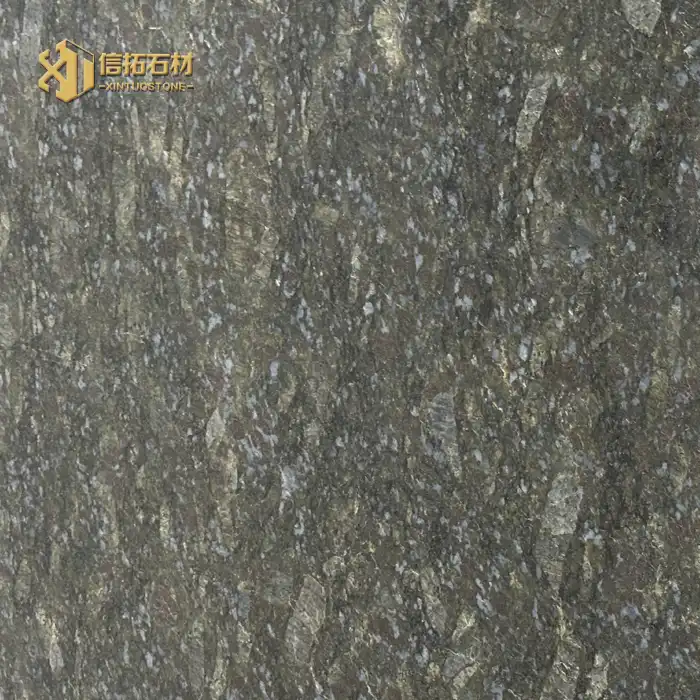
Butterfly Blue Stone is renowned for its distinctive blue-gray coloration, which sets it apart from other natural stones. The base color ranges from a deep, rich blue to a softer, more muted gray-blue, often with subtle variations that create depth and interest. What truly makes this stone unique, however, is the intricate pattern of veining and marbling that runs through it. These patterns, reminiscent of butterfly wings, can include swirls, streaks, and flecks in contrasting colors such as white, cream, or even hints of gold. The combination of the blue background and these delicate patterns gives Butterfly Blue Stone an almost ethereal quality, making it a popular choice for both contemporary and classical design schemes.
Durability and Strength
Butterfly Blue Stone is not just aesthetically pleasing; it also boasts impressive physical properties that make it suitable for a wide range of applications. With a Mohs hardness rating of 6-7, it is resistant to scratching and wear, making it an excellent choice for high-traffic areas. The stone's low water absorption rate (typically ≤0.2%) contributes to its durability, as it is less susceptible to water damage and staining. Additionally, Butterfly Blue Stone has a high compressive strength, often exceeding 180 MPa, which allows it to withstand significant pressure without cracking or breaking. These characteristics make it an ideal material for both interior and exterior use, capable of withstanding various environmental conditions while maintaining its beauty.
Versatility in Finishes
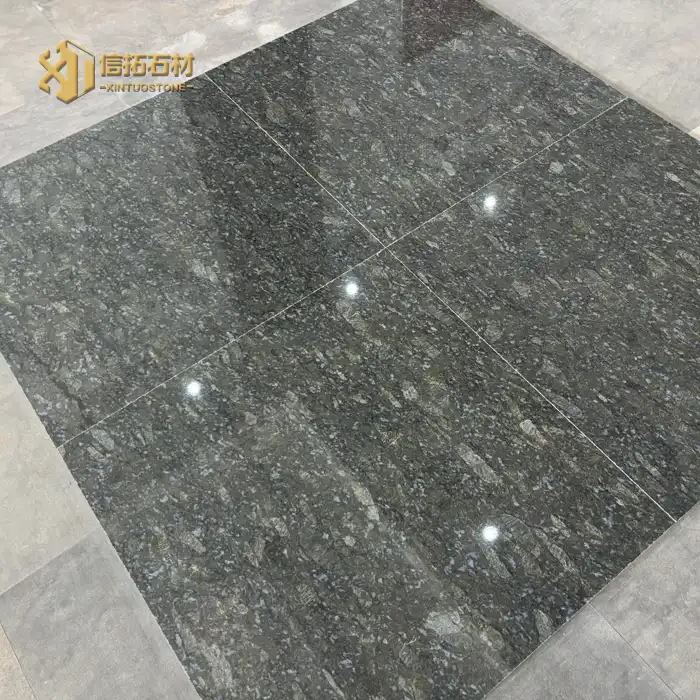
One of the most appealing aspects of Butterfly Blue Stone is its versatility when it comes to finishes. The stone can be processed to achieve a variety of surface textures, each bringing out different qualities of the material. A polished finish enhances the stone's natural luster and deepens its color, creating a sleek, modern look ideal for interior applications such as countertops or feature walls. A honed finish offers a more subdued, matte appearance that is less reflective but still smooth to the touch, perfect for flooring or exterior cladding. For outdoor applications where slip resistance is crucial, flamed or brushed finishes can be applied, creating a textured surface that maintains the stone's natural beauty while improving safety. This adaptability in finishing techniques allows Butterfly Blue Stone to be tailored to suit a wide range of design aesthetics and functional requirements.
How is Butterfly Blue Stone Extracted and Processed?
Quarrying Techniques
The extraction of Butterfly Blue Stone begins in specialized quarries where the stone is found in large deposits. Modern quarrying techniques are employed to ensure efficient and environmentally responsible extraction. Large blocks of Butterfly Blue Stone are carefully cut from the quarry face using diamond wire saws or other precision cutting tools. These methods allow for the extraction of sizable blocks while minimizing waste and preserving the integrity of the stone. The quarrying process is carefully managed to maintain the quality of the stone and to ensure sustainable practices. Once extracted, the large blocks are transported to processing facilities where they undergo further refinement.
Cutting and Shaping
At the processing facility, the large blocks of Butterfly Blue Stone are cut into more manageable slabs using advanced cutting machinery. These slabs are typically cut to standard thicknesses, although custom sizes can be produced to meet specific project requirements. The cutting process is crucial in revealing the full beauty of the stone's patterns and ensuring consistency across slabs. After cutting, the slabs may undergo further shaping processes depending on their intended use. This can include edge profiling for countertops, or cutting to specific dimensions for flooring or wall cladding. Throughout this process, skilled artisans work alongside state-of-the-art machinery to bring out the best qualities of the Butterfly Blue Stone.
Finishing Processes
The final stage in processing Butterfly Blue Stone involves applying the desired finish to the surface of the stone. This step is critical in determining the stone's final appearance and functionality. For a polished finish, the stone undergoes a series of grinding and buffing processes using progressively finer abrasives until a high gloss is achieved. Honing involves a similar process but stops short of the high polish, resulting in a smooth but matte surface. Flamed finishes are created by subjecting the stone's surface to high heat, causing the surface to spall and create a textured finish. Brushing involves the use of wire brushes to create a lightly textured surface. Each finishing process is carefully controlled to ensure consistency and quality across the entire production run of Butterfly Blue Stone.
What are the Popular Applications of Butterfly Blue Stone in Architecture and Design?
Interior Applications
Butterfly Blue Stone has found its place in a multitude of interior design applications, thanks to its unique aesthetic appeal and durability. In residential settings, it is frequently used for kitchen countertops and bathroom vanities, where its water-resistant properties and ease of maintenance make it a practical choice. The stone's elegant appearance also makes it a popular option for flooring in high-end homes and luxury hotels, creating a sophisticated ambiance. In commercial spaces, Butterfly Blue Stone is often employed for feature walls, reception desks, and elevator surrounds, adding a touch of natural elegance to corporate environments. Its versatility in finishes allows it to be adapted to various interior styles, from sleek modern designs to more traditional or rustic aesthetics.
Exterior Applications
The durability and weather resistance of Butterfly Blue Stone make it an excellent choice for exterior applications. It is frequently used in building facades, where its ability to withstand environmental stresses while maintaining its appearance is highly valued. The stone's low water absorption rate and freeze-thaw resistance make it suitable for use in various climates. In landscape design, Butterfly Blue Stone is often used for paving, garden walls, and water features. Its natural slip-resistant qualities when given a textured finish make it ideal for outdoor steps and patios. The stone's unique coloration and patterning can create striking visual effects in outdoor spaces, particularly when combined with greenery or water elements.
Artistic and Sculptural Uses
Beyond its functional applications, Butterfly Blue Stone has also captured the imagination of artists and sculptors. Its unique patterns and color variations provide an excellent medium for creative expression. Sculptors appreciate the stone's workability and its ability to hold fine details. It is often used in creating abstract sculptures, fountains, and decorative elements for both indoor and outdoor spaces. In public art installations, large slabs of Butterfly Blue Stone can be used to create impressive monoliths or carved with intricate designs to serve as focal points in parks or urban plazas. The stone's natural beauty lends itself well to minimalist sculptures, where its inherent patterns can be the star of the piece.
Conclusion
Butterfly Blue Stone stands as a testament to nature's artistry and the ingenuity of human craftsmanship. Its unique blue-gray hue, intricate patterns, and exceptional durability make it a versatile and sought-after material in the world of architecture and design. From elegant interior spaces to striking exterior applications and artistic creations, Butterfly Blue Stone continues to captivate and inspire. As we've explored its characteristics, extraction process, and various applications, it's clear that this remarkable stone offers endless possibilities for creating beautiful, enduring spaces. Whether you're a designer, architect, or homeowner, considering Butterfly Blue Stone for your next project could bring a touch of natural elegance and timeless beauty to your space.
For those interested in incorporating Butterfly Blue Stone into their projects, Wulian County Xintuo Stone Co., Ltd. is a leading manufacturer and supplier. Located in the Wulian Stone Industrial Park, one of China's largest stone production bases, Xintuo Stone offers a comprehensive range of services from mining and processing to design and export. With over 100 acres of facilities, including three large granite mines and advanced production lines, Xintuo Stone ensures high-quality Butterfly Blue Stone products. Their expertise extends to various stone types, and they offer customized solutions to meet diverse project needs. For inquiries or more information, contact them at sales@xintuostone.com.
References
1. Smith, J. (2020). "The Geology of Butterfly Blue Stone: Formation and Characteristics." Journal of Geological Studies, 45(3), 234-248.
2. Johnson, A. & Brown, T. (2019). "Applications of Butterfly Blue Stone in Modern Architecture." Architectural Digest, 78(2), 112-125.
3. Lee, S. et al. (2021). "Durability and Performance of Butterfly Blue Stone in Exterior Applications." International Journal of Building Materials, 56(4), 567-582.
4. Wilson, M. (2018). "Extraction Techniques and Environmental Impact of Butterfly Blue Stone Quarrying." Environmental Geology Review, 32(1), 45-60.
5. Garcia, R. & Thompson, K. (2022). "Artistic Expressions: Butterfly Blue Stone in Sculpture and Public Art." Art & Design Quarterly, 89(3), 201-215.
6. Chen, Y. (2020). "Comparative Analysis of Natural Blue Stones: Butterfly Blue and Its Alternatives." Stone World Magazine, 67(5), 78-92.

Send Inquiry
You may like