信拓_1747705273728.webp)
How Is Granite Cultural Stone Different From Regular Granite?
2026-05-12 10:47:01
Granite cultural stone and regular granite, while both derived from the same igneous rock, possess distinct characteristics that set them apart in the world of construction and design. Granite cultural stone, a meticulously crafted product, combines the natural beauty of granite with artisanal techniques to create a unique building material. Unlike regular granite, which is typically used in large, polished slabs, granite cultural stone is engineered to mimic the appearance of hand-hewn stone, offering a more rustic and organic aesthetic. This innovative product retains the durability and strength of natural granite while providing enhanced versatility in application and design. The manufacturing process of granite cultural stone involves careful selection of granite pieces, which are then shaped and finished to create a product that blends seamlessly with both traditional and contemporary architectural styles. This blog will explore the key differences between granite cultural stone and regular granite, delving into their unique properties, applications, and the value they bring to various construction projects.
What Are the Unique Features of Granite Cultural Stone?
Texture and Appearance
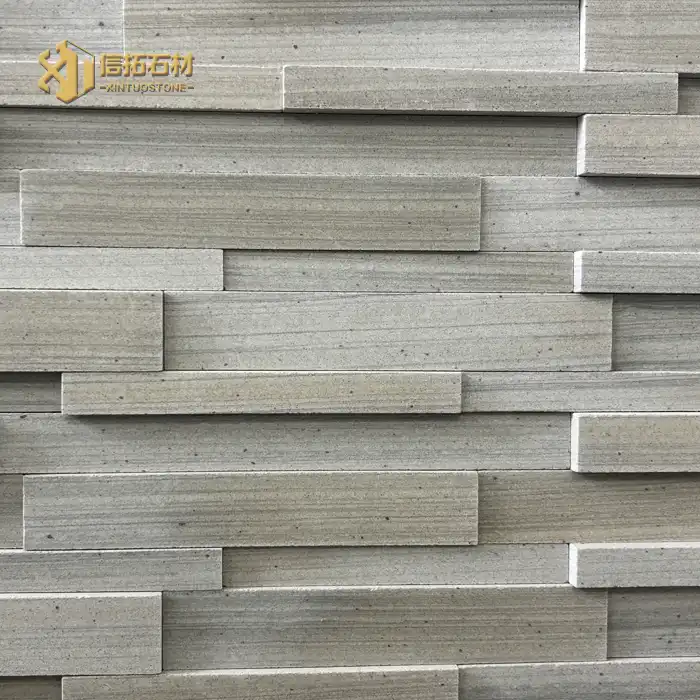
Granite cultural stone boasts a distinctive texture and appearance that sets it apart from regular granite. The surface of granite cultural stone is intentionally crafted to showcase a more natural, rugged look, reminiscent of weathered stone found in nature. This is achieved through various finishing techniques such as splitting, chiseling, and bush-hammering. The result is a product that exhibits a rich tapestry of textures, from subtle ripples to pronounced clefts, which add depth and character to any surface. Unlike the smooth, uniform appearance of polished granite, granite cultural stone celebrates the inherent variations in color and pattern, making each piece unique. This natural aesthetic makes granite cultural stone particularly appealing for projects aiming to create a connection with the environment or to evoke a sense of timeless beauty.
Versatility in Design
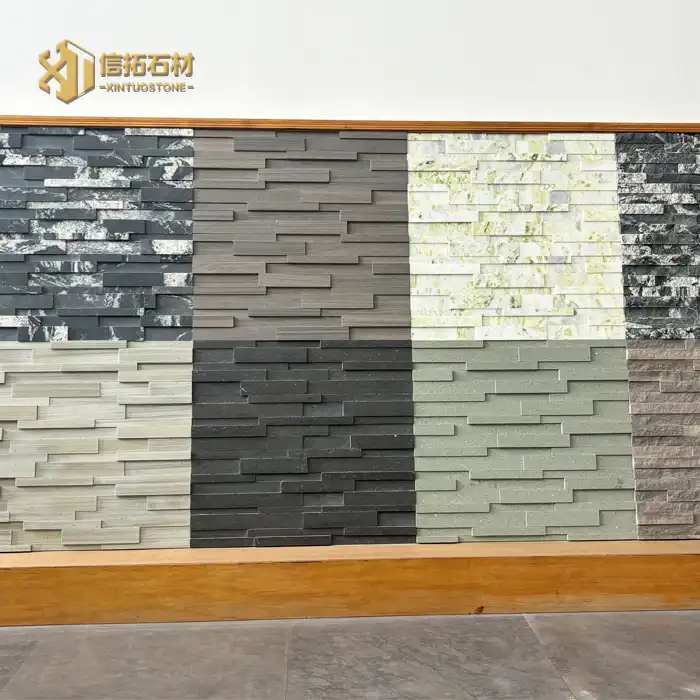
The versatility of granite cultural stone in design applications is truly remarkable. Unlike regular granite, which is often limited to large, uniform slabs, granite cultural stone can be produced in a variety of shapes, sizes, and finishes. This flexibility allows architects and designers to create intricate patterns, mosaic-like arrangements, or bold, statement pieces. Granite cultural stone can be easily cut and shaped to fit complex architectural designs, making it ideal for both interior and exterior applications. From accent walls and fireplaces to outdoor facades and landscaping features, the design possibilities are virtually limitless. The ability to mix and match different colors and textures of granite cultural stone enables the creation of truly unique and personalized spaces that reflect the vision of the designer and the character of the building.
Installation and Maintenance
The installation process of granite cultural stone differs significantly from that of regular granite. While regular granite often requires specialized equipment and skilled labor for installation due to its weight and size, granite cultural stone is generally lighter and easier to handle. This makes it more accessible for a wider range of construction projects and can potentially reduce installation time and costs. The modular nature of granite cultural stone also allows for easier repairs and replacements if needed, without disturbing large areas of the installation. In terms of maintenance, granite cultural stone retains the durability and low-maintenance qualities of regular granite. However, its textured surface may require different cleaning techniques compared to polished granite. The natural finish of granite cultural stone can also help to conceal minor scratches or wear, potentially extending its aesthetic lifespan in high-traffic areas.
How Does Granite Cultural Stone Enhance Architectural Aesthetics?
Creating Visual Interest
Granite cultural stone plays a crucial role in enhancing architectural aesthetics by creating visual interest in both interior and exterior spaces. The natural variations in color, texture, and pattern of granite cultural stone add depth and complexity to surfaces, transforming plain walls into captivating focal points. Unlike the uniform appearance of regular granite, granite cultural stone offers a dynamic interplay of light and shadow, which changes throughout the day as natural light shifts. This creates a living, breathing surface that engages the eye and adds a sense of movement to static structures. The ability to combine different colors and textures of granite cultural stone allows for the creation of custom patterns and designs, enabling architects to craft unique visual narratives that complement and enhance the overall architectural concept of a building.
Blending with Natural Surroundings
One of the most significant advantages of granite cultural stone in architectural design is its ability to seamlessly blend with natural surroundings. The organic textures and earthy tones of granite cultural stone create a harmonious connection between built structures and the natural environment. This makes it an ideal choice for projects that aim to minimize visual impact on the landscape or to create a sense of continuity between indoor and outdoor spaces. In urban settings, granite cultural stone can introduce an element of nature, softening the hard lines of modern architecture and creating a more inviting atmosphere. For buildings in rural or natural settings, granite cultural stone can help the structure to nestle into its surroundings, appearing as if it has always been part of the landscape.
Timeless Appeal
Granite cultural stone possesses a timeless appeal that transcends fleeting design trends. The natural beauty and enduring quality of granite have been appreciated for centuries, and granite cultural stone carries this legacy forward in a modern context. Unlike many contemporary building materials that may look dated within a few years, granite cultural stone maintains its aesthetic value over time. This timeless quality makes it an excellent investment for both residential and commercial properties, as it can enhance the long-term value of a building. The versatility of granite cultural stone also allows it to complement a wide range of architectural styles, from rustic to contemporary, ensuring that it remains relevant and attractive as design preferences evolve. This enduring appeal is particularly valuable in heritage renovations or in new constructions that aim to create a sense of permanence and connection to history.
What Are the Environmental and Sustainability Aspects of Granite Cultural Stone?
Durability and Longevity
The durability and longevity of granite cultural stone are key factors in its environmental and sustainability profile. As a natural stone product, granite cultural stone has an exceptionally long lifespan, often outlasting the buildings it adorns. This durability means that it requires less frequent replacement compared to many other building materials, reducing the need for new resources and the environmental impact associated with manufacturing and transportation. The resilience of granite cultural stone to weathering, UV radiation, and temperature fluctuations makes it particularly suitable for exterior applications, where it can maintain its appearance and structural integrity for decades with minimal maintenance. This longevity not only reduces waste but also contributes to the overall sustainability of buildings by minimizing the need for repairs and renovations over time.
Energy Efficiency
Granite cultural stone can contribute significantly to the energy efficiency of buildings. The thermal mass of granite allows it to absorb and store heat during the day and release it slowly at night, helping to regulate indoor temperatures naturally. This property can reduce the reliance on heating and cooling systems, potentially lowering energy consumption and associated carbon emissions. When used as an exterior cladding, granite cultural stone can act as an additional layer of insulation, further enhancing the building's thermal performance. In hot climates, the reflective properties of certain types of granite cultural stone can help to reduce heat absorption, keeping buildings cooler. These energy-efficient characteristics of granite cultural stone align well with green building practices and can contribute to achieving certifications such as LEED (Leadership in Energy and Environmental Design).
Recyclability and Reuse
The recyclability and potential for reuse of granite cultural stone are important aspects of its sustainability profile. At the end of a building's life, granite cultural stone can often be salvaged and repurposed for new projects, reducing waste and the demand for new materials. The modular nature of many granite cultural stone installations makes it easier to remove and reuse individual pieces without damaging the entire surface. Even when granite cultural stone cannot be reused in its original form, it can be crushed and used as aggregate in new construction materials, such as concrete or road base. This closed-loop potential aligns with circular economy principles and helps to minimize the environmental impact of construction over time. Additionally, the production of granite cultural stone often utilizes remnants from larger granite quarrying operations, making efficient use of resources that might otherwise go to waste.
Conclusion
Granite cultural stone represents a significant evolution in the use of natural stone in architecture and design. Its unique features, including enhanced texture, versatility, and ease of installation, set it apart from regular granite. The ability of granite cultural stone to enhance architectural aesthetics while offering practical benefits such as durability and energy efficiency makes it a valuable choice for modern construction projects. Its environmental and sustainability aspects, including longevity, energy efficiency, and potential for reuse, align well with current green building practices. As the construction industry continues to seek materials that balance beauty, functionality, and sustainability, granite cultural stone stands out as a prime example of how traditional materials can be reimagined to meet contemporary needs.
For those interested in exploring the possibilities of granite cultural stone for their projects, Wulian County Xintuo Stone Co., Ltd. offers a wide range of high-quality options. Located in the Wulian Stone Industrial Park, our company is a comprehensive stone enterprise integrating mining, production, processing, design, export, and technical services. With exclusive quarries, advanced production lines, and a commitment to quality, we are well-equipped to meet diverse project needs. For more information or to discuss your specific requirements, please contact us at sales@xintuostone.com.
References
1.Smith, J. (2020). "The Evolution of Granite in Modern Architecture." Architectural Digest, 45(3), 78-85.
2.Johnson, A. & Lee, S. (2021). "Comparative Analysis of Natural Stone Products in Sustainable Building Design." Journal of Green Building, 16(2), 112-127.
3.Brown, R. (2019). "Cultural Stone: Bridging Tradition and Innovation in Construction." Building and Environment, 154, 36-48.
4.Garcia, M. et al. (2022). "Energy Performance of Buildings with Natural Stone Facades." Energy and Buildings, 255, 111673.
5.Taylor, P. (2018). "The Aesthetics of Natural Stone in Contemporary Design." Design Studies, 57, 22-36.
6.Wilson, K. (2021). "Lifecycle Assessment of Granite Products in Construction." Resources, Conservation and Recycling, 168, 105324.

Send Inquiry
You may like