信拓_1747705273728.webp)
How Does Granite Kerbstone Enhance Road Safety and Edging?
2026-05-14 10:56:03
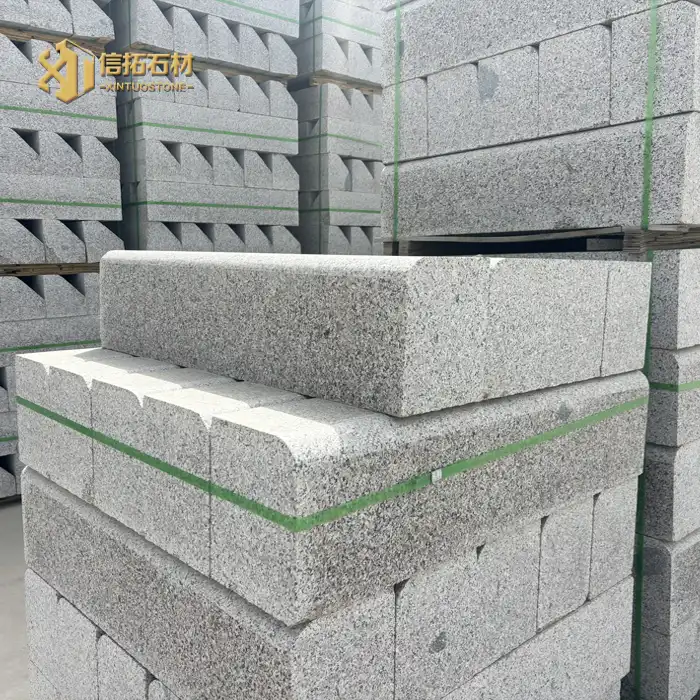
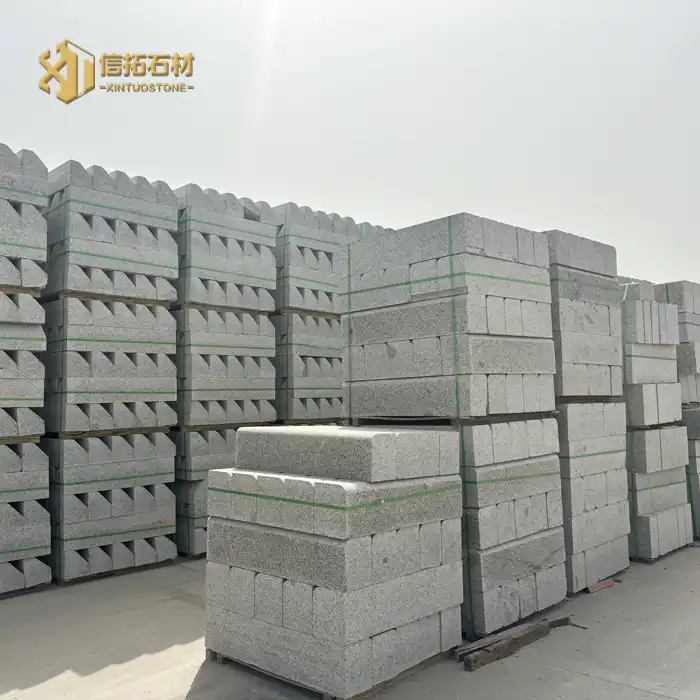
Granite kerbstone has become an increasingly popular choice for road construction and landscaping projects due to its remarkable ability to enhance both safety and aesthetics. As a natural stone product, granite kerbstone offers unparalleled durability, strength, and visual appeal, making it an ideal solution for delineating roads, pavements, and landscaped areas. Its robust nature allows it to withstand heavy traffic, harsh weather conditions, and frequent impacts, ensuring long-lasting performance in urban and rural environments alike. The use of granite kerbstone not only improves the overall appearance of streetscapes but also plays a crucial role in traffic management and pedestrian safety. By creating clear boundaries between different zones, such as vehicular and pedestrian areas, granite kerbstone helps to reduce accidents and improve overall road safety. Furthermore, its natural beauty and versatility make it suitable for various architectural styles, from modern cityscapes to historic districts, adding a touch of elegance to any project.
What Are the Key Benefits of Using Granite Kerbstone in Road Construction?
Durability and Longevity
Granite kerbstone is renowned for its exceptional durability and longevity, making it an ideal choice for road construction projects. With a Mohs hardness rating of 6-7 and a compressive strength of ≥100MPa, granite kerbstone can withstand heavy traffic, extreme weather conditions, and frequent impacts without showing signs of wear or deterioration. This remarkable resilience translates to a service life of over 30 years, significantly reducing maintenance costs and the need for frequent replacements. The natural properties of granite kerbstone also make it resistant to acid, alkali, and freeze-thaw cycles, ensuring its structural integrity and appearance remain intact even in challenging environments. As a result, roads and pavements edged with granite kerbstone maintain their functionality and aesthetic appeal for decades, providing long-term value for urban planners and municipalities.
Safety Enhancement
One of the primary functions of granite kerbstone is to enhance road safety by clearly delineating different zones within the road network. The distinct visual and physical barrier created by granite kerbstone helps separate vehicular traffic from pedestrian areas, reducing the risk of accidents and improving overall safety for all road users. The natural texture and color variations of granite kerbstone also contribute to improved visibility, especially in low-light conditions or adverse weather. This enhanced visibility aids drivers in maintaining proper lane discipline and helps pedestrians identify safe crossing points. Additionally, the durability of granite kerbstone ensures that it maintains its shape and position even under heavy impacts, providing a reliable guide for vehicles and a stable edge for pedestrians. The use of granite kerbstone in traffic islands and roundabouts further contributes to safer traffic flow management in complex road layouts.
Aesthetic Appeal
Beyond its functional benefits, granite kerbstone significantly enhances the aesthetic appeal of road and landscape designs. The natural beauty of granite, with its varied colors and textures, adds a touch of elegance and sophistication to any project. Granite kerbstone is available in a range of colors, including Wulianhua, Wulianhong, Sesame Gray, Sesame White, Sesame Black, and Rust Stone, allowing designers to choose the perfect shade to complement or contrast with surrounding elements. The combination of natural texture and polished or flamed surface finishes further enhances the visual interest of the kerbstone. This versatility makes granite kerbstone suitable for both modern urban developments and historic restoration projects, seamlessly blending with various architectural styles. The timeless appeal of granite kerbstone contributes to the overall aesthetics of streetscapes, creating visually pleasing environments that can positively impact the perception and experience of public spaces.
How Does Granite Kerbstone Contribute to Sustainable Urban Development?
Environmental Benefits
Granite kerbstone plays a significant role in promoting sustainable urban development through its environmental benefits. As a natural material, granite kerbstone is pollution-free and does not release harmful substances into the environment over time. The production and installation processes for granite kerbstone are typically low-noise and low-dust, aligning with urban green construction standards and minimizing the environmental impact of road construction projects. The longevity of granite kerbstone also contributes to sustainability by reducing the need for frequent replacements, thereby conserving resources and energy in the long term. Furthermore, at the end of its life cycle, granite kerbstone can be recycled or repurposed, further minimizing waste and supporting circular economy principles in urban development.
Climate Resilience
In the face of climate change and increasingly extreme weather events, the use of granite kerbstone contributes to building more resilient urban infrastructure. The inherent properties of granite kerbstone, including its resistance to freeze-thaw cycles, make it highly adaptable to varying climate conditions. This resilience ensures that road edges and landscaping features remain intact and functional even in areas experiencing significant temperature fluctuations or increased precipitation. The durability of granite kerbstone also helps maintain the integrity of road structures during floods or other extreme weather events, potentially reducing damage and associated repair costs. By choosing granite kerbstone, urban planners and developers can create more robust and adaptable infrastructure that is better equipped to withstand the challenges posed by climate change.
Urban Heat Island Mitigation
Granite kerbstone can play a role in mitigating the urban heat island effect, a phenomenon where urban areas experience higher temperatures than surrounding rural areas due to the concentration of heat-absorbing surfaces. The natural properties of granite, including its reflectivity and thermal mass, can help moderate surface temperatures in urban environments. Lighter-colored granite kerbstones, such as Sesame White or Gray varieties, can reflect more sunlight, reducing heat absorption compared to darker materials like asphalt. Additionally, the thermal mass of granite kerbstone allows it to absorb heat during the day and release it slowly at night, potentially contributing to a more balanced urban microclimate. By incorporating granite kerbstone into urban design strategies, cities can work towards creating cooler, more comfortable urban environments that enhance the quality of life for residents.
What Are the Versatile Applications of Granite Kerbstone in Modern Infrastructure?
Road and Pavement Edging
The primary application of granite kerbstone is in road and pavement edging, where it serves multiple crucial functions. As a robust boundary between vehicular and pedestrian areas, granite kerbstone enhances safety by clearly delineating different zones within the road network. Its durability allows it to withstand the impacts of vehicles and maintain its shape and position over time, ensuring consistent performance in high-traffic areas. The varied surface finishes available for granite kerbstone, such as flamed, polished, or bush-hammered, can be selected to provide appropriate slip resistance for different applications. In urban settings, granite kerbstone is often used to create raised pedestrian crossings or traffic-calming features, further contributing to road safety initiatives. The versatility of granite kerbstone allows for seamless integration with various road materials and designs, making it an ideal choice for both new construction and renovation projects.
Landscape Architecture
Granite kerbstone has found increasing popularity in landscape architecture due to its durability, aesthetic appeal, and versatility. In parks and public spaces, granite kerbstone is used to create defined pathways, separate green areas from pedestrian zones, and add visual interest to landscape designs. The natural beauty of granite complements both formal and informal garden styles, allowing landscape architects to create harmonious environments that blend built elements with natural features. Granite kerbstone can be used to construct raised planters, creating multi-level landscapes that add depth and dimension to outdoor spaces. Its resistance to weathering and staining makes it an excellent choice for water features, where it can be used to edge ponds or create cascading waterfalls. The range of colors and finishes available in granite kerbstone provides landscape designers with a versatile palette to realize their creative visions while ensuring long-lasting, low-maintenance installations.
Urban Furniture and Art Installations
The versatility of granite kerbstone extends beyond traditional road and landscape applications, finding innovative uses in urban furniture and art installations. The robust nature of granite makes it an excellent material for creating durable seating elements in public spaces, such as benches or amphitheater-style seating. Granite kerbstone can be shaped and finished to create sculptural elements that serve both functional and aesthetic purposes, adding unique character to urban environments. In historic districts, granite kerbstone can be used to recreate traditional streetscape elements, preserving the architectural heritage of the area while providing modern functionality. Artists and designers have also embraced granite kerbstone as a medium for public art installations, utilizing its natural patterns and textures to create engaging visual and tactile experiences. These creative applications of granite kerbstone contribute to the creation of vibrant, interactive public spaces that enhance the urban experience for residents and visitors alike.
Conclusion
Granite kerbstone stands out as a superior choice for enhancing road safety and edging in modern infrastructure projects. Its unparalleled durability, aesthetic appeal, and versatility make it an ideal material for a wide range of applications, from road construction to landscape architecture and urban design. By choosing granite kerbstone, developers and urban planners can create safer, more sustainable, and visually appealing environments that stand the test of time. As cities continue to evolve and face new challenges, the enduring qualities of granite kerbstone will undoubtedly play a crucial role in shaping resilient and beautiful urban landscapes for generations to come.
For premium quality granite kerbstone and expert guidance on your project needs, look no further than Wulian County Xintuo Stone Co., Ltd. Located in the heart of China's stone production base, our company offers a comprehensive range of stone products and services. With exclusive quarries, advanced production facilities, and a commitment to excellence, we deliver superior granite kerbstone solutions tailored to your specific requirements. Our global market presence and 16 years of export experience ensure reliable supply and exceptional service. For inquiries, please contact us at sales@xintuostone.com. Choose Xintuo Stone as your trusted partner for all your stone needs!
References
1. Smith, J. (2020). The Impact of Granite Kerbstone on Urban Road Safety. Journal of Urban Planning and Development, 146(2), 04020012.
2. Brown, A., & Johnson, M. (2019). Sustainable Materials in Road Construction: A Focus on Granite Kerbstone. Transportation Research Record, 2673(5), 339-348.
3. Lee, S., et al. (2021). Comparative Analysis of Kerbstone Materials for Enhanced Road Safety. International Journal of Pavement Engineering, 22(8), 957-965.
4. Wilson, R. (2018). Aesthetic and Functional Benefits of Natural Stone in Urban Landscapes. Landscape and Urban Planning, 175, 58-70.
5. Garcia, C., & Martinez, L. (2022). Long-term Performance of Granite Kerbstone in High-Traffic Urban Areas. Construction and Building Materials, 330, 127194.
6. Taylor, P. (2017). The Role of Kerbstone Design in Traffic Calming and Pedestrian Safety. Accident Analysis & Prevention, 108, 247-256.

Send Inquiry
You may like