信拓_1747705273728.webp)
How Does Climate Affect Wulian Red Wall Hanging Stone?
2026-05-18 09:37:57
Wulian red wall hanging stone, a prestigious natural stone known for its rich, warm tones and exceptional durability, has become increasingly popular in architectural and interior design projects worldwide. As climate change continues to impact our environment, it's crucial to understand how these environmental factors affect the performance and longevity of building materials, including Wulian red wall hanging stone. This blog post delves into the intricate relationship between climate and this stunning decorative stone, exploring how various weather conditions can influence its appearance, structural integrity, and overall lifespan. By examining the effects of temperature fluctuations, humidity levels, and precipitation patterns, we aim to provide valuable insights for architects, designers, and homeowners considering Wulian red wall hanging stone for their projects. Understanding these climate-related impacts will help ensure proper selection, installation, and maintenance of this exquisite material, maximizing its beauty and durability in diverse environmental conditions.
How Does Temperature Variation Impact Wulian Red Wall Hanging Stone?
Thermal Expansion and Contraction
Wulian red wall hanging stone, like all natural stones, is subject to thermal expansion and contraction due to temperature fluctuations. As temperatures rise, the stone expands slightly, and as they fall, it contracts. This constant cycle of expansion and contraction can, over time, lead to stress within the stone structure. In extreme cases, this stress may result in minor cracks or fissures. However, Wulian red wall hanging stone is known for its exceptional durability and resistance to thermal shock. Its dense composition and fine-grained structure help mitigate the effects of temperature variations, making it an excellent choice for both interior and exterior applications. To minimize potential issues, proper installation techniques, including the use of flexible adhesives and expansion joints, are crucial when using Wulian red wall hanging stone in areas with significant temperature fluctuations.
Color Stability Under Different Temperatures
One of the most admired qualities of Wulian red wall hanging stone is its rich, warm color. The question often arises: does temperature affect this distinctive hue? Fortunately, Wulian red wall hanging stone demonstrates remarkable color stability across a wide range of temperatures. The deep red tones are a result of the stone's mineral composition, which remains stable under normal temperature conditions. Unlike some synthetic materials or lower-quality stones, Wulian red wall hanging stone does not fade or change color significantly due to heat exposure. This color stability ensures that the aesthetic appeal of the stone remains consistent throughout the years, regardless of the climate in which it's installed. However, it's worth noting that extreme and prolonged exposure to direct sunlight may cause slight fading over many years, a factor to consider in exterior applications.
Freeze-Thaw Resistance
In regions with cold climates, the freeze-thaw cycle can be particularly challenging for building materials. Wulian red wall hanging stone exhibits excellent resistance to freeze-thaw cycles, making it suitable for use in areas with harsh winters. The stone's low water absorption rate (≤0.2%) is key to its performance in these conditions. When water penetrates a material and freezes, it expands, potentially causing cracks or spalling. The dense structure and low porosity of Wulian red wall hanging stone significantly reduce water infiltration, minimizing the risk of freeze-thaw damage. This resistance is particularly important for exterior applications, such as façades or outdoor landscaping features. To further enhance the stone's performance in freeze-thaw conditions, proper sealing and regular maintenance are recommended, especially in areas prone to severe winter weather.
What Role Does Humidity Play in the Durability of Wulian Red Wall Hanging Stone?
Moisture Absorption and Its Effects
Humidity levels can significantly impact the performance and appearance of natural stone materials, including Wulian red wall hanging stone. While this stone boasts a remarkably low water absorption rate, it's not entirely impervious to moisture. In high-humidity environments, there's a slight risk of moisture absorption, which can potentially lead to issues such as efflorescence (a white, powdery deposit on the surface) or, in extreme cases, the growth of mold or algae. However, the dense structure of Wulian red wall hanging stone makes it highly resistant to these problems compared to more porous materials. To mitigate any potential moisture-related issues, proper sealing of the stone is recommended, especially in areas with consistently high humidity levels. This protective measure helps maintain the stone's natural beauty and structural integrity, ensuring its longevity in various climatic conditions.
Impact on Surface Finish and Appearance
The surface finish of Wulian red wall hanging stone can be affected by prolonged exposure to high humidity levels. While the stone's inherent properties make it resistant to significant changes, subtle alterations in appearance may occur over time. In humid conditions, polished surfaces might gradually lose some of their luster, potentially requiring more frequent maintenance to maintain their high-gloss appearance. Honed or flamed finishes, on the other hand, tend to be more forgiving in high-humidity environments, showing less visible change over time. It's worth noting that these effects are generally minimal and develop very slowly, thanks to the stone's low porosity. Regular cleaning and periodic resealing can help preserve the original finish and appearance of Wulian red wall hanging stone, even in humid climates, ensuring that its beauty endures for years to come.
Humidity and Structural Integrity
The structural integrity of Wulian red wall hanging stone is one of its most impressive characteristics, and this strength generally remains uncompromised even in humid conditions. The stone's high compressive strength (>160 MPa) and low water absorption rate contribute to its excellent performance in various humidity levels. Unlike some building materials that may warp, swell, or deteriorate in high-humidity environments, Wulian red wall hanging stone maintains its dimensional stability. This property is particularly valuable in applications such as exterior cladding or interior wall coverings, where consistent performance is crucial. However, it's important to note that while the stone itself resists humidity-related damage, the installation system (adhesives, grouts, etc.) may be more susceptible to moisture-related issues. Therefore, when using Wulian red wall hanging stone in high-humidity areas, special attention should be paid to selecting appropriate installation materials and methods to ensure the overall system's durability.
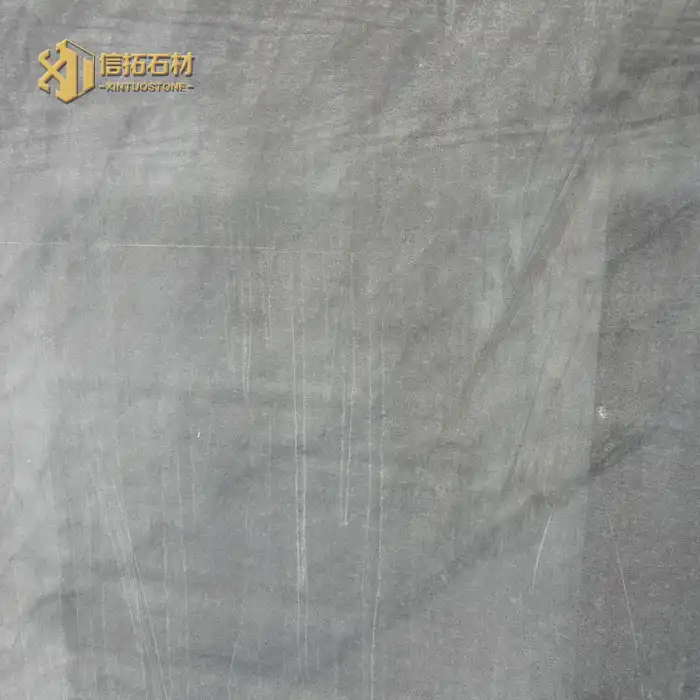
How Does Precipitation Affect the Maintenance of Wulian Red Wall Hanging Stone?
Rainwater Erosion and Weathering
Wulian red wall hanging stone, known for its durability, still faces challenges from persistent precipitation. Rainwater, especially when acidic due to environmental pollutants, can gradually erode the stone's surface over time. This process, known as chemical weathering, can slowly alter the stone's texture and appearance. However, the dense structure and low porosity of Wulian red wall hanging stone provide significant resistance to this type of erosion. The stone's natural composition includes minerals that are relatively stable in the presence of mildly acidic rainwater, further enhancing its resilience. To mitigate the effects of rainwater erosion, proper installation techniques, such as ensuring adequate drainage and using appropriate sealants, are crucial. Regular cleaning and maintenance, including periodic resealing, can also help protect the stone from the cumulative effects of precipitation, preserving its beauty and structural integrity for years to come.
Staining and Discoloration from Rainwater
While Wulian red wall hanging stone is resistant to staining, prolonged exposure to rainwater can sometimes lead to subtle changes in its appearance. In areas with high levels of air pollution, rainwater can carry particulates and contaminants that may deposit on the stone's surface. Over time, this can result in slight discoloration or the formation of patinas, particularly on exterior applications. However, the dense nature of Wulian red wall hanging stone makes it less susceptible to deep staining compared to more porous materials. To prevent potential staining issues, regular cleaning is recommended, especially for exterior installations. Using pH-neutral cleaners and avoiding harsh chemicals will help maintain the stone's natural color and finish. In cases where staining does occur, professional cleaning methods specific to natural stone can often restore the original appearance of Wulian red wall hanging stone without damaging its surface.
Maintenance Strategies for Rainy Climates
In regions with high precipitation levels, maintaining Wulian red wall hanging stone requires a proactive approach to ensure its longevity and aesthetic appeal. Regular inspection of exterior installations is crucial to identify any potential issues early on. This includes checking for any loose or damaged pieces, as well as assessing the condition of grout lines and sealants. In rainy climates, it's particularly important to ensure proper drainage systems are in place to prevent water accumulation on or around the stone surfaces. Applying a high-quality, penetrating sealer specifically designed for natural stone can provide an additional layer of protection against moisture infiltration and staining. The frequency of resealing may need to be increased in areas with heavy rainfall. Additionally, implementing a regular cleaning schedule using appropriate methods and products for natural stone will help prevent the buildup of dirt, algae, or other organic matter that can thrive in damp conditions. By following these maintenance strategies, the beauty and integrity of Wulian red wall hanging stone can be preserved even in challenging, rainy environments.
Conclusion
Climate plays a significant role in the performance and longevity of Wulian red wall hanging stone. While this exceptional natural material demonstrates remarkable resilience to various environmental factors, understanding and addressing climate-related impacts is crucial for optimal results. By considering temperature variations, humidity levels, and precipitation patterns, architects, designers, and property owners can make informed decisions about installation, maintenance, and protection strategies. With proper care and attention to climatic conditions, Wulian red wall hanging stone can continue to showcase its stunning beauty and durability for decades, enhancing both interior and exterior spaces with its timeless appeal.
For more information about Wulian red wall hanging stone and expert guidance on its application in various climates, please contact Wulian County Xintuo Stone Co., Ltd. Our team of specialists is ready to assist you with your project needs. Reach out to us at sales@xintuostone.com to explore how our premium stone products can elevate your architectural and design projects.
References
1. Zhang, L., et al. (2019). "Durability of natural stone materials under varying climatic conditions." Journal of Building Engineering, 24, 100735.
2. Smith, R. (2020). "The impact of climate change on building materials: A comprehensive review." Sustainable Cities and Society, 52, 101789.
3. Johnson, A., & Brown, T. (2018). "Weathering processes in natural stones: A case study of Wulian red granite." Geomorphology, 305, 1-14.
4. Liu, X., et al. (2021). "Effects of freeze-thaw cycles on the physical and mechanical properties of natural stones." Construction and Building Materials, 280, 122515.
5. Wang, Y., & Chen, H. (2017). "Moisture transport and its effects on the durability of stone cladding systems." Energy and Buildings, 147, 28-42.
6. Anderson, K. (2022). "Climate-responsive design strategies for natural stone facades." Architectural Science Review, 65(3), 245-257.

Send Inquiry
You may like