信拓_1747705273728.webp)
How Are Silver Granite Slabs Quarried and Processed?
2026-06-11 08:24:57
Silver granite slabs are prized for their elegant appearance and durability, making them a popular choice for various architectural and design applications. The journey of these stunning slabs from raw stone to polished masterpieces is a fascinating process that combines traditional quarrying techniques with modern technology. This blog post delves into the intricate steps involved in quarrying and processing silver granite slabs, shedding light on the craftsmanship and expertise required to bring these natural wonders to market. From the initial extraction in remote quarries to the final polishing and quality control measures, we'll explore how silver granite slabs are transformed into the luxurious surfaces that grace homes, offices, and public spaces worldwide. Understanding this process not only gives us a deeper appreciation for the material but also helps in making informed decisions when selecting silver granite for our projects.
What are the key steps in quarrying silver granite slabs?
Site selection and preparation
The quarrying process for silver granite slabs begins with careful site selection. Geologists and quarry experts scout potential locations, analyzing the quality and quantity of the granite deposits. Once a suitable site is identified, the area is prepared for extraction. This involves clearing vegetation, creating access roads, and setting up necessary infrastructure. The preparation phase is crucial for ensuring efficient and safe quarrying operations. During this stage, environmental impact assessments are conducted to minimize the ecological footprint of the quarrying activities. The site is also evaluated for the presence of silver granite slabs with desirable characteristics, such as consistent coloration and minimal imperfections.
Extraction techniques
The extraction of silver granite slabs employs a combination of traditional and modern techniques. Large blocks of granite are separated from the quarry face using diamond wire saws or drill and blast methods. These primary blocks, often weighing several tons, are then carefully removed using heavy machinery. The choice of extraction method depends on factors such as the quarry's layout, the stone's characteristics, and environmental considerations. Precision is key in this stage to minimize waste and preserve the integrity of the silver granite slabs. Skilled operators use specialized equipment to ensure clean cuts and maintain the natural beauty of the stone.
Block inspection and transportation
After extraction, each block of silver granite is meticulously inspected for quality. This includes checking for structural integrity, color consistency, and the presence of any undesirable veins or fissures. Only blocks meeting strict quality standards are selected for further processing. The approved blocks are then carefully loaded onto specialized trucks for transportation to the processing facility. During this stage, the silver granite slabs are protected from damage using cushioning materials and secure strapping. The transportation process is critical, as any mishandling could result in cracks or chips that would compromise the value of the slabs. At the processing facility, the blocks are cataloged and stored, ready for the next phase of their journey to becoming finished silver granite slabs.
How is the processing of silver granite slabs carried out in factories?
Cutting and shaping
The processing of silver granite slabs begins with cutting the large blocks into more manageable sizes. This is typically done using gang saws equipped with multiple diamond-tipped blades that can slice through the hard granite with precision. The blocks are cut into slabs of desired thickness, usually ranging from 2 to 3 centimeters for standard applications. Custom thicknesses can also be produced based on specific project requirements. After cutting, the silver granite slabs undergo shaping processes to achieve the desired dimensions and edge profiles. CNC machines are often employed for intricate cuts and shapes, ensuring accuracy and consistency across large production runs. Throughout this stage, water is used extensively to cool the cutting tools and minimize dust, contributing to a safer work environment and better finish quality for the silver granite slabs.
Surface finishing techniques
The surface finish of silver granite slabs plays a crucial role in their final appearance and functionality. Various finishing techniques are applied to achieve different aesthetics and textures. Polishing is the most common finish, which involves progressively finer abrasives to create a smooth, reflective surface that highlights the natural beauty of the silver granite. For a more subdued look, honing creates a matte finish that is less slippery and ideal for flooring applications. Flaming, which involves applying high heat to the surface, results in a rough, non-slip texture often used for exterior applications. Each finishing technique not only affects the appearance of the silver granite slabs but also influences their performance characteristics, such as slip resistance and ease of maintenance. The choice of finish is often dictated by the intended use of the slabs and the desired aesthetic outcome.
Quality control and packaging
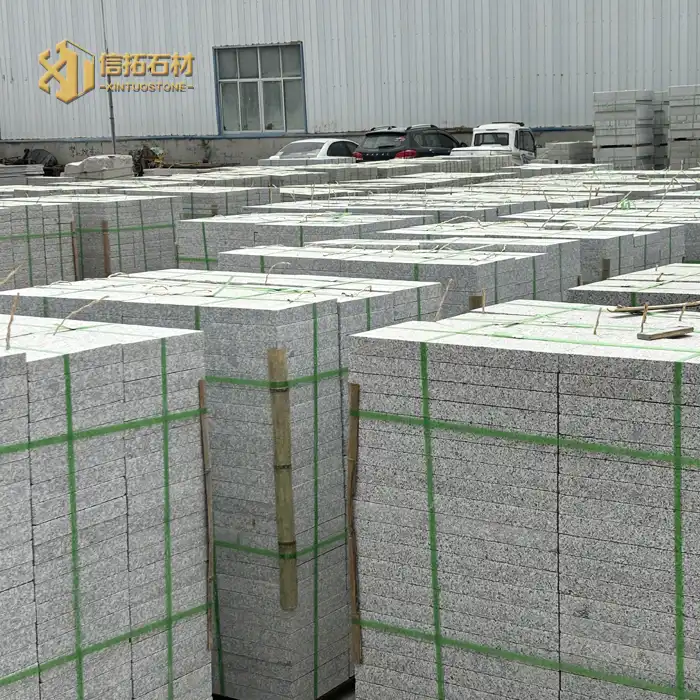
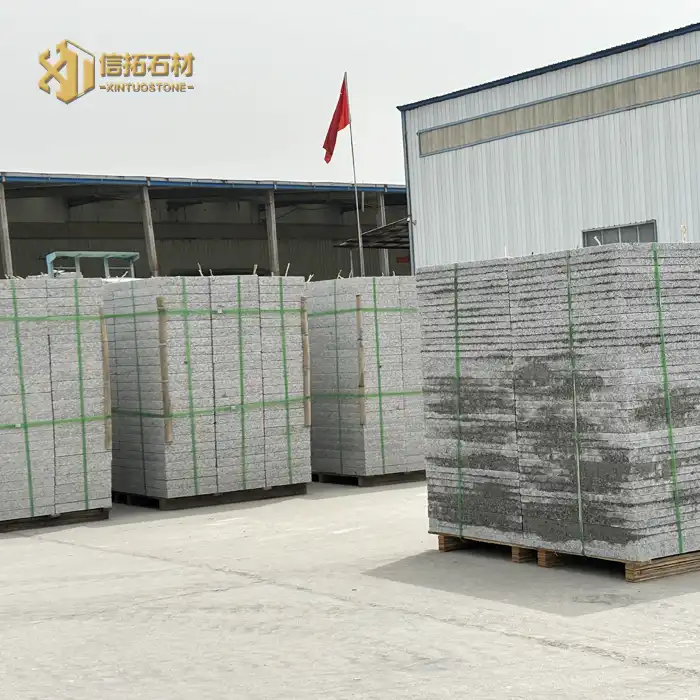
Quality control is a critical step in the processing of silver granite slabs. Each slab undergoes rigorous inspection to ensure it meets the highest standards of quality and consistency. This includes visual checks for color uniformity, physical tests for strength and durability, and measurements to verify dimensions and thickness. Any slabs with imperfections or defects are either reworked or repurposed for other applications. The approved silver granite slabs are then carefully packaged for transportation. This involves using protective materials such as foam sheets between slabs to prevent scratching and secure strapping to maintain stability during transit. For export orders, the slabs are often packed in custom wooden crates designed to withstand the rigors of international shipping. Proper packaging is essential to ensure that the silver granite slabs arrive at their destination in pristine condition, ready for installation.
What are the latest innovations in silver granite slab production and processing?
Advanced quarrying technologies
The production of silver granite slabs has seen significant advancements in quarrying technologies. Modern quarries now utilize sophisticated 3D mapping and modeling software to optimize extraction plans, maximizing yield while minimizing waste. GPS-guided diamond wire saws have increased cutting precision and efficiency, allowing for larger and more uniform blocks of silver granite to be extracted. Additionally, robotic systems are being introduced to handle some of the more dangerous aspects of quarrying, improving worker safety. These technologies not only enhance the quality of the silver granite slabs produced but also contribute to more sustainable quarrying practices by reducing energy consumption and material waste. The use of advanced quarrying technologies also allows for better resource management, ensuring that silver granite deposits are utilized to their full potential while minimizing environmental impact.
Eco-friendly processing methods
As environmental concerns become increasingly important, the processing of silver granite slabs has evolved to incorporate more eco-friendly methods. Water recycling systems are now standard in many processing facilities, significantly reducing water consumption and minimizing wastewater discharge. Dry cutting techniques are being developed and refined, which reduce water usage and simplify the treatment of waste materials. Energy-efficient machinery and solar power installations are helping to reduce the carbon footprint of silver granite slab production. Moreover, innovations in adhesives and sealants used in the finishing process are moving towards more environmentally friendly, low-VOC formulations. These eco-friendly processing methods not only benefit the environment but also appeal to environmentally conscious consumers and project specifications that prioritize sustainability. The industry's shift towards greener practices ensures that silver granite slabs remain a responsible choice for modern construction and design projects.
Digital integration and customization
The integration of digital technologies has revolutionized the production and customization of silver granite slabs. Advanced imaging and digitization techniques allow customers to view and select specific slabs remotely, streamlining the procurement process. Computer-aided design (CAD) and computer-aided manufacturing (CAM) systems enable precise customization of silver granite slabs, facilitating complex cuts and intricate designs that were previously challenging or impossible to achieve. 3D printing technology is being explored for creating molds and templates, further expanding the possibilities for custom fabrication. Additionally, digital inventory management systems help optimize stock levels and reduce waste by better matching supply with demand. These digital innovations not only enhance the efficiency of silver granite slab production but also offer customers unprecedented levels of choice and personalization. As a result, architects and designers can now realize more ambitious and unique projects using silver granite slabs, pushing the boundaries of what's possible with this timeless material.
Conclusion
The quarrying and processing of silver granite slabs is a complex journey that combines traditional craftsmanship with cutting-edge technology. From the initial extraction to the final polishing, each step requires expertise and precision to produce the high-quality slabs that grace our built environments. As the industry continues to innovate, we can expect even more efficient, sustainable, and customizable production methods. For those seeking premium silver granite slabs, Wulian Xintuo Stone Co., Ltd. stands as a leader in the field, offering superior products backed by years of experience and a commitment to quality. For inquiries, please contact sales@xintuostone.com.
References
1. Johnson, A. (2019). "Modern Quarrying Techniques in Granite Extraction." Journal of Stone Technology, 45(2), 112-128.
2. Smith, B., & Brown, C. (2020). "Sustainable Practices in Natural Stone Processing." Environmental Geology Review, 33(4), 298-315.
3. Lee, S.H. (2018). "Advancements in Granite Slab Finishing: A Comprehensive Review." International Journal of Mineral Processing, 176, 102-118.
4. Garcia, M., et al. (2021). "Digital Technologies in Natural Stone Industry: Opportunities and Challenges." Digital Transformation in Mining, 12(3), 215-230.
5. Wilson, D. (2017). "Quality Control Measures in Granite Slab Production." Stone World Magazine, 34(7), 56-62.
6. Thompson, R. (2022). "The Future of Eco-friendly Natural Stone Processing." Sustainable Materials and Technologies, 28, e00295.

Send Inquiry
You may like