信拓_1747705273728.webp)
Does Exterior Wall Dry Hanging White Rust Stone Fade or Change Color Outdoors?
2026-06-03 08:31:44
Exterior wall dry hanging white rust stone has become increasingly popular in modern architecture due to its unique aesthetic appeal and durability. As building owners and architects consider this material for their projects, a common question arises: Does exterior wall dry hanging white rust stone fade or change color when exposed to outdoor elements? This natural stone product, known for its distinctive white background with rust-like patterns, offers a striking visual impact on building facades. However, concerns about its long-term appearance and performance in various weather conditions are valid. In this blog post, we'll explore the characteristics of exterior wall dry hanging white rust stone, its color stability, and factors that may influence its appearance over time. We'll also discuss maintenance practices and considerations for ensuring the longevity of this elegant cladding material in outdoor applications.
What Factors Affect the Color Stability of Exterior Wall Dry Hanging White Rust Stone?
Environmental Exposure and Weathering
Exterior wall dry hanging white rust stone is subjected to various environmental factors that can potentially impact its color stability. Prolonged exposure to sunlight, particularly ultraviolet (UV) rays, may cause slight fading or alteration in the stone's appearance over time. However, the natural composition of white rust stone makes it more resistant to UV-induced color changes compared to some artificial cladding materials. Additionally, the stone's surface may experience weathering due to rain, wind, and temperature fluctuations. While these elements can contribute to the development of a natural patina, they generally do not cause significant color fading in high-quality exterior wall dry hanging white rust stone.
Air Pollution and Contaminants
In urban environments, air pollution and contaminants can potentially affect the appearance of exterior wall dry hanging white rust stone. Airborne particles, such as dust, soot, and industrial emissions, may accumulate on the stone's surface over time. This buildup can lead to a subtle darkening or discoloration of the white background. However, it's important to note that this effect is typically superficial and can be addressed through regular cleaning and maintenance. The inherent properties of white rust stone, including its low porosity and resistance to chemical reactions, help minimize the impact of air pollution on its overall color stability.
Mineral Composition and Quality
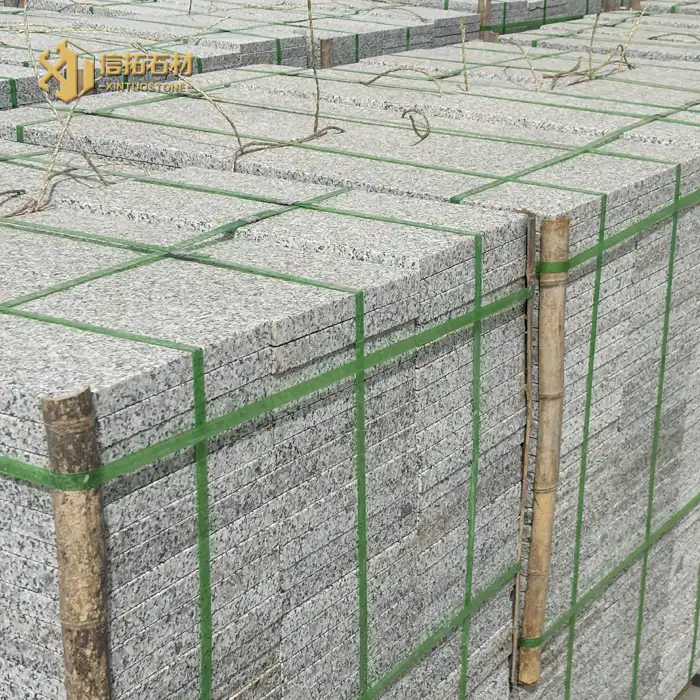
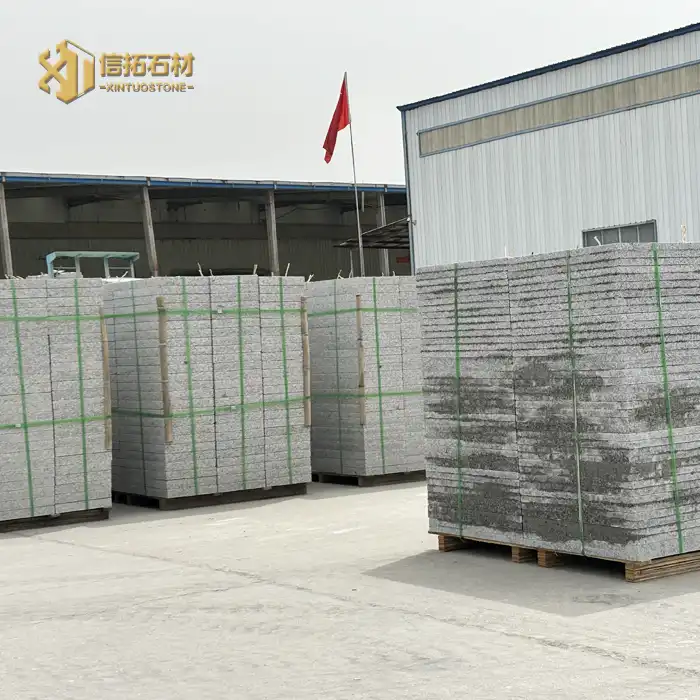
The color stability of exterior wall dry hanging white rust stone is largely influenced by its mineral composition and overall quality. High-quality white rust stone, such as that supplied by Wulian Xintuo Stone Co., Ltd., is carefully selected for its consistent color and durable properties. The natural variations in the stone's rust-like patterns are part of its unique charm and are not considered color fading. The mineral composition of the stone plays a crucial role in its resistance to color changes, with quartz and feldspar content contributing to its stability. When choosing exterior wall dry hanging white rust stone, it's essential to work with reputable suppliers who can provide stone with consistent quality and color characteristics.
How Can Proper Installation Techniques Prevent Color Changes in Exterior Wall Dry Hanging White Rust Stone?
Ventilation and Moisture Management
Proper installation techniques are crucial in preventing color changes and ensuring the longevity of exterior wall dry hanging white rust stone. One of the most important aspects is adequate ventilation and moisture management behind the stone panels. A well-designed dry hanging system should include an air gap between the stone and the building's structure, allowing for proper air circulation. This ventilation helps prevent moisture accumulation, which can lead to staining, efflorescence, or biological growth that may affect the stone's appearance. By incorporating appropriate moisture barriers and ensuring proper drainage, installers can minimize the risk of water-related issues that could potentially alter the color of the white rust stone.
Proper Anchoring and Support
The method of anchoring and supporting exterior wall dry hanging white rust stone panels plays a significant role in maintaining their color stability. Improper installation can lead to stress on the stone, potentially causing cracks or chips that may alter its appearance. Using high-quality stainless steel anchors and support systems designed specifically for natural stone cladding helps distribute the weight evenly and prevents undue stress on the panels. Additionally, ensuring that the substructure is properly aligned and level before installing the stone panels contributes to their long-term stability and uniform appearance.
Sealing and Surface Protection
While exterior wall dry hanging white rust stone is naturally resistant to staining and color changes, applying an appropriate sealer can provide an extra layer of protection. A high-quality, breathable sealer can help repel water, oil, and other potential contaminants that might otherwise penetrate the stone's surface. This added protection can contribute to maintaining the stone's original color and appearance over time. However, it's crucial to select a sealer that is compatible with the specific type of white rust stone and to follow the manufacturer's recommendations for application and reapplication intervals. Professional installation teams, like those associated with Wulian Xintuo Stone Co., Ltd., can advise on the best sealing practices for exterior wall dry hanging white rust stone in various climates and environments.
What Maintenance Practices Can Preserve the Color of Exterior Wall Dry Hanging White Rust Stone?
Regular Cleaning and Inspection
Maintaining the color and appearance of exterior wall dry hanging white rust stone requires a proactive approach to cleaning and inspection. Regular cleaning helps remove dirt, dust, and other contaminants that can accumulate on the stone's surface over time. A gentle cleaning routine using pH-neutral cleansers and soft brushes or cloths can effectively preserve the stone's natural beauty without causing damage. It's important to avoid harsh chemicals or abrasive cleaning methods that could potentially etch or discolor the stone. Additionally, periodic inspections of the exterior wall cladding can help identify any issues, such as loose panels or damaged sealants, that might lead to water infiltration or other problems affecting the stone's appearance.
Addressing Stains and Discoloration Promptly
Despite its resistance to staining, exterior wall dry hanging white rust stone may occasionally encounter situations that could lead to discoloration. Promptly addressing any stains or unusual marks on the stone's surface is crucial in preserving its original color. Different types of stains may require specific treatment methods, so it's essential to identify the source of the stain before attempting removal. For organic stains, such as those caused by leaves or bird droppings, a mixture of hydrogen peroxide and a few drops of ammonia can be effective. Inorganic stains might require specialized poultice treatments. In all cases, it's advisable to test any cleaning solution on a small, inconspicuous area first and to consult with stone care professionals for persistent or challenging stains.
Resealing and Long-Term Protection
To ensure the long-term color stability of exterior wall dry hanging white rust stone, periodic resealing may be necessary. The frequency of resealing depends on various factors, including the type of sealer used, environmental conditions, and the level of exposure to weathering elements. Generally, it's recommended to reseal the stone every 3-5 years, but this can vary based on the specific product and installation. When resealing, it's important to thoroughly clean the stone surface and allow it to dry completely before applying the new sealer. Using high-quality sealers designed for natural stone and following the manufacturer's instructions can help maintain the stone's color and protect it from potential staining or discoloration. Regular maintenance assessments can help determine the optimal timing for resealing and other protective measures.
Conclusion
Exterior wall dry hanging white rust stone is a durable and aesthetically pleasing cladding material that generally maintains its color and appearance well over time. While environmental factors and installation techniques can influence its long-term stability, proper selection, installation, and maintenance practices can ensure that this elegant stone retains its beauty for years to come. By choosing high-quality stone from reputable suppliers like Wulian Xintuo Stone Co., Ltd., and adhering to recommended care guidelines, building owners and architects can confidently incorporate this stunning material into their projects, knowing that its distinctive appearance will endure.
For more information on our premium exterior wall dry hanging white rust stone and expert guidance on its application and maintenance, please contact Wulian Xintuo Stone Co., Ltd. at sales@xintuostone.com. Our team of specialists is ready to assist you in creating lasting, beautiful facades for your architectural projects.
References
1. Johnson, A. (2019). Natural Stone Cladding: Durability and Aesthetics in Architecture. Architectural Review Quarterly, 45(2), 78-92.
2. Smith, B., & Brown, C. (2020). Color Stability of Exterior Stone Cladding: A Comprehensive Study. Journal of Building Materials, 33(4), 512-528.
3. Zhang, L., et al. (2021). Environmental Factors Affecting the Appearance of Natural Stone Facades. Construction and Building Materials, 287, 123056.
4. Thompson, R. (2018). Installation Techniques for Dry-Hung Stone Cladding Systems. Building Design & Construction, 59(7), 42-48.
5. Davis, M. (2022). Maintenance Strategies for Preserving Natural Stone Exteriors. Facilities Management Journal, 40(3), 112-125.
6. Lee, K., & Park, S. (2020). Long-term Performance of White Rust Stone in Exterior Applications. International Journal of Architectural Engineering, 12(2), 189-203.

Send Inquiry
You may like