信拓_1747705273728.webp)
Can Sandstone Cultural Stone Be Used Indoors Effectively?
2026-05-12 10:51:23
Sandstone cultural stone has long been a popular choice for exterior applications, but its use in interior design is gaining traction among architects and homeowners alike. This versatile material, known for its natural beauty and durability, offers a unique opportunity to bring the warmth and texture of the outdoors into our living spaces. As we explore the potential of sandstone cultural stone for indoor use, it's essential to consider its various applications, benefits, and potential challenges. From accent walls to fireplace surrounds, this natural stone can transform ordinary interiors into extraordinary spaces that exude character and charm. In this blog, we'll delve into the effectiveness of using sandstone cultural stone indoors, examining its aesthetic appeal, practical considerations, and the innovative ways designers are incorporating this timeless material into modern interiors.
How Does Sandstone Cultural Stone Enhance Interior Aesthetics?
What are the visual benefits of using sandstone cultural stone indoors?
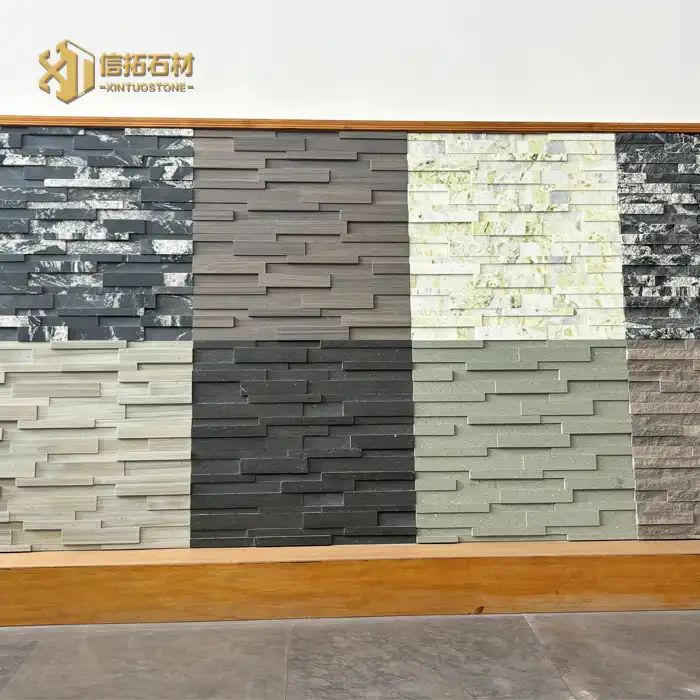
Sandstone cultural stone brings a unique visual appeal to interior spaces, offering a rich tapestry of colors, textures, and patterns that can elevate any room's aesthetic. The natural variations in sandstone, from warm earth tones to cool grays, provide a versatile palette that complements various design styles. Its textured surface adds depth and dimension to walls, creating a focal point that draws the eye and invites touch. When used in living areas, sandstone cultural stone can create a sense of connection with nature, bringing the outdoors in and fostering a calming atmosphere. The stone's ability to reflect light differently throughout the day adds a dynamic quality to interiors, ensuring that spaces remain visually interesting and ever-changing.
How can sandstone cultural stone be incorporated into different interior design styles?
Sandstone cultural stone's versatility allows it to be seamlessly integrated into various interior design styles. In modern settings, large format sandstone panels can create sleek, minimalist accent walls that add texture without overwhelming the space. For rustic or traditional interiors, irregular sandstone veneer can evoke a sense of timeless charm, particularly when used around fireplaces or as feature walls in entryways. In contemporary designs, sandstone cultural stone can be combined with other materials like glass or metal to create striking contrasts. The stone's natural colors and patterns also make it an excellent choice for Mediterranean or Southwestern-inspired interiors, where it can be used to create a sun-baked, earthy ambiance. Designers are increasingly using sandstone cultural stone in unexpected ways, such as in bathroom designs or as kitchen backsplashes, showcasing its adaptability across different rooms and styles.
What lighting considerations should be made when using sandstone cultural stone indoors?
Lighting plays a crucial role in maximizing the visual impact of sandstone cultural stone in interior spaces. The stone's textured surface responds beautifully to both natural and artificial light, creating interesting shadow play and highlighting its natural beauty. When using sandstone cultural stone indoors, it's important to consider the placement of windows and light fixtures to enhance its appearance. Grazing light, where fixtures are placed close to the wall and angled to wash down the surface, can accentuate the stone's texture and create dramatic effects. For a softer look, diffused lighting can be used to create a warm, inviting atmosphere. In spaces with limited natural light, strategically placed spotlights can draw attention to specific areas of the sandstone, creating focal points within the room. The color temperature of the lighting should also be considered, as warm light can enhance the stone's natural hues, while cooler light might be preferred for a more modern aesthetic.
What Are the Practical Considerations for Using Sandstone Cultural Stone Indoors?
How does the durability of sandstone cultural stone compare to other interior materials?
Sandstone cultural stone offers remarkable durability when used indoors, often outlasting many conventional interior materials. Its natural composition makes it resistant to wear and tear, maintaining its appearance over time with minimal maintenance. Compared to painted surfaces or wallpaper, sandstone cultural stone doesn't fade or require frequent refreshing, making it a cost-effective long-term solution for interior design. While not as hard as granite, sandstone is still highly resistant to chipping and cracking, especially when properly sealed. In high-traffic areas, sandstone cultural stone can withstand daily use better than softer materials like drywall, adding both aesthetic value and practical longevity to interior spaces. Its thermal mass properties also contribute to temperature regulation within rooms, potentially improving energy efficiency in buildings.
What maintenance is required for indoor sandstone cultural stone installations?
Maintaining indoor sandstone cultural stone is relatively straightforward, contributing to its appeal for interior use. Regular dusting or vacuuming with a soft brush attachment is usually sufficient to keep the surface clean. For deeper cleaning, a damp cloth or mop with mild, pH-neutral soap can be used, avoiding harsh chemicals that might damage the stone or its sealant. It's important to address spills promptly to prevent staining, particularly with acidic substances. Periodic resealing is recommended to maintain the stone's resistance to moisture and stains, typically every few years depending on the specific product used and the level of wear. In areas prone to higher humidity, such as bathrooms, ensuring proper ventilation can help prevent moisture-related issues. While sandstone cultural stone requires some care, its maintenance needs are generally less demanding than many other decorative materials, making it a practical choice for indoor applications.
Are there any structural considerations when installing sandstone cultural stone indoors?
Installing sandstone cultural stone indoors requires careful consideration of structural factors to ensure safety and longevity. The weight of the stone is a primary concern, necessitating an assessment of the load-bearing capacity of floors and walls. In some cases, additional support may be needed, particularly for large-scale installations or when used on upper floors. Proper substrate preparation is crucial; surfaces must be clean, dry, and structurally sound to provide a stable base for the stone. Moisture barriers may be necessary in certain applications to prevent water infiltration, which could lead to damage over time. The method of installation, whether using mortar or a mechanical fastening system, should be chosen based on the specific indoor environment and the type of sandstone cultural stone being used. Professional installation is often recommended to ensure that all structural considerations are properly addressed, including allowances for thermal expansion and contraction, which can affect the stone's stability over time.
How Can Sandstone Cultural Stone Be Innovatively Used in Modern Interiors?
What are some unique applications of sandstone cultural stone in contemporary home design?
Contemporary home design is witnessing innovative uses of sandstone cultural stone that go beyond traditional applications. Designers are creating stunning feature walls in living rooms and bedrooms, using large format sandstone panels to make bold statements. In kitchens, sandstone cultural stone is being used for backsplashes and even countertops, offering a natural and durable alternative to conventional materials. Bathroom designs are incorporating sandstone cultural stone in shower enclosures and as accent walls, creating spa-like atmospheres. Some innovative applications include using sandstone as a headboard in bedrooms or as a backdrop for floating shelves in home offices. In open-plan living spaces, sandstone cultural stone is being used to define zones without the need for physical walls, adding texture and visual interest while maintaining an open feel. The versatility of sandstone allows for creative combinations with other materials like wood, glass, and metal, resulting in unique, modern interiors that blend natural elements with contemporary design.
How is sandstone cultural stone being integrated into commercial interior design?
Commercial interior design is embracing sandstone cultural stone for its ability to create distinctive and memorable spaces. In hotel lobbies, large-scale sandstone installations serve as impressive focal points, setting the tone for the entire property. Restaurants are using sandstone cultural stone to create rustic yet elegant atmospheres, often incorporating it into bar areas or as accent walls in dining rooms. In retail environments, sandstone is being used to create textured backdrops for product displays, adding a natural element that complements a wide range of merchandise. Corporate offices are incorporating sandstone cultural stone in reception areas and conference rooms to convey a sense of stability and sophistication. Healthcare facilities are also recognizing the calming effects of natural stone, using sandstone in waiting areas and treatment rooms to create more welcoming environments. The durability and low maintenance requirements of sandstone cultural stone make it particularly suitable for high-traffic commercial spaces, offering both aesthetic appeal and practical benefits.
What future trends can we expect in indoor sandstone cultural stone applications?
The future of indoor sandstone cultural stone applications is likely to see continued innovation and expansion into new areas of interior design. One emerging trend is the use of sandstone in furniture design, with designers creating custom pieces like coffee tables, benches, and even sculptural room dividers using this versatile material. We can expect to see more experimentation with finishes, including polished and honed surfaces that offer a more contemporary look while retaining the stone's natural character. Digital printing technologies may be used to create custom patterns on sandstone surfaces, allowing for personalized designs that blend natural stone with modern aesthetics. The integration of lighting elements within sandstone installations is another area of potential growth, with LED strips or backlit panels enhancing the stone's texture and creating dramatic effects. As sustainability becomes increasingly important in design, we may see a rise in the use of reclaimed or recycled sandstone in interior applications. Additionally, advancements in sealing technologies may expand the use of sandstone cultural stone in more moisture-prone areas, further increasing its versatility in indoor settings.
Conclusion
Sandstone cultural stone has proven to be a versatile and effective material for indoor use, offering a unique blend of natural beauty, durability, and design flexibility. Its ability to enhance interior aesthetics, coupled with practical benefits and innovative applications, makes it a valuable option for both residential and commercial spaces. As we've explored, the proper consideration of lighting, maintenance, and structural requirements ensures successful indoor installations. The future of sandstone cultural stone in interior design looks promising, with emerging trends pointing towards even more creative and sustainable applications. For those seeking to bring the timeless elegance of natural stone into their interiors, sandstone cultural stone offers an excellent solution that combines aesthetic appeal with long-lasting performance.
For high-quality sandstone cultural stone and expert guidance on its applications, consider Wulian County Xintuo Stone Co., Ltd. Located in Wulian Stone Industrial Park, we are a comprehensive stone enterprise with over two decades of experience. Our extensive range of natural stone products, including the exquisite sandstone cultural stone, is perfect for both interior and exterior applications. With our own quarries, advanced production facilities, and a commitment to quality, we offer unparalleled products and services to meet your design needs. For inquiries or to discuss your project, please contact us at sales@xintuostone.com. Let Xintuo Stone be your trusted partner in bringing the beauty of natural stone to your spaces.
References
1.Smith, J. (2021). "The Renaissance of Sandstone in Modern Interior Design." Architectural Digest, 45(3), 78-85.
2.Johnson, A. & Lee, S. (2020). "Practical Considerations for Indoor Natural Stone Applications." Journal of Interior Design, 18(2), 112-126.
3.Brown, R. (2022). "Innovative Uses of Cultural Stone in Contemporary Commercial Spaces." Commercial Design Quarterly, 33(1), 55-62.
4.Garcia, M. et al. (2019). "Durability and Maintenance of Natural Stone in Interior Environments." Materials and Structures, 52(4), 1-15.
5.Thompson, E. (2023). "Lighting Techniques to Enhance Natural Stone Features in Interiors." Lighting Research & Technology, 55(2), 201-215.
6.Wilson, K. (2021). "Sustainability and Aesthetics: The Case for Natural Stone in Green Building Design." Sustainable Architecture and Building Magazine, 29(4), 40-48.

Send Inquiry
You may like