信拓_1747705273728.webp)
Can Natural Granite Paving Slabs Be Used for Steps and Risers?
2026-05-15 16:55:21
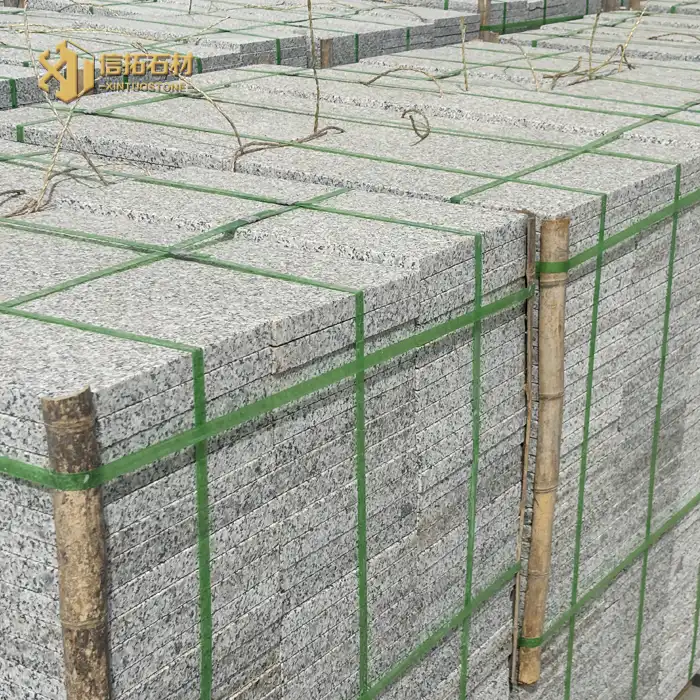
Natural granite paving slabs have long been a popular choice for outdoor landscaping and architectural projects due to their durability, aesthetic appeal, and versatility. When it comes to creating steps and risers, many homeowners and designers wonder if these robust stone slabs can be effectively utilized. The answer is a resounding yes! Natural granite paving slabs are an excellent option for constructing steps and risers, offering a perfect blend of functionality and elegance. Their inherent strength, slip-resistant properties, and ability to withstand various weather conditions make them ideal for outdoor staircases. Moreover, the wide range of colors, textures, and finishes available in granite slabs allows for creative design possibilities, enabling you to achieve a cohesive look that complements your overall landscape or architectural style. In this blog, we'll explore the benefits, considerations, and best practices for using natural granite paving slabs in step and riser applications, helping you make an informed decision for your next project.
What are the advantages of using natural granite paving slabs for steps and risers?
Durability and longevity
Natural granite paving slabs are renowned for their exceptional durability and longevity, making them an ideal choice for steps and risers. These stone slabs can withstand heavy foot traffic, extreme weather conditions, and the test of time without losing their structural integrity or aesthetic appeal. The inherent strength of granite ensures that your steps and risers will remain sturdy and reliable for decades, requiring minimal maintenance and replacement. Furthermore, natural granite paving slabs are highly resistant to scratches, chips, and cracks, maintaining their pristine appearance even in high-traffic areas. This durability translates to long-term cost-effectiveness, as you won't need to worry about frequent repairs or replacements, making granite an excellent investment for both residential and commercial applications.
Aesthetic versatility
One of the most significant advantages of using natural granite paving slabs for steps and risers is their aesthetic versatility. Granite comes in a wide array of colors, patterns, and textures, allowing you to choose the perfect option that complements your overall design scheme. From classic grey and black tones to warm beiges and striking reds, natural granite paving slabs offer endless possibilities for creating visually stunning staircases. The natural variations in the stone's appearance add depth and character to your steps, making them a focal point of your outdoor space. Additionally, granite can be finished in various ways, such as polished, flamed, or brushed, further enhancing its visual appeal and allowing you to achieve the desired look for your project.
Low maintenance requirements
Natural granite paving slabs are exceptionally low-maintenance, making them an excellent choice for busy homeowners and property managers. Unlike other materials that may require frequent sealing, painting, or refinishing, granite steps and risers maintain their appearance and functionality with minimal upkeep. Regular sweeping and occasional washing with mild soap and water are typically sufficient to keep your granite steps looking their best. The non-porous nature of granite also makes it resistant to stains, mold, and mildew, further reducing maintenance needs. This low-maintenance aspect not only saves time and effort but also contributes to the overall cost-effectiveness of using natural granite paving slabs for steps and risers, as you won't need to invest in expensive cleaning products or professional maintenance services.
How do natural granite paving slabs compare to other materials for steps and risers?
Granite vs. concrete
When comparing natural granite paving slabs to concrete for steps and risers, granite often comes out on top in terms of durability and aesthetics. While concrete is a popular and cost-effective option, it is more susceptible to cracking, chipping, and staining over time. Natural granite paving slabs, on the other hand, offer superior resistance to wear and tear, maintaining their structural integrity and appearance for much longer. Granite also provides a more luxurious and sophisticated look compared to concrete, with its natural variations in color and texture adding visual interest to your steps. Although the initial cost of granite may be higher, its longevity and low maintenance requirements often make it a more cost-effective choice in the long run. Additionally, granite offers better slip resistance than smooth concrete, especially when finished with a textured surface, enhancing safety on your steps and risers.
Granite vs. wood
Natural granite paving slabs offer several advantages over wood when used for steps and risers. While wood can provide a warm, natural look, it is significantly less durable than granite and requires more frequent maintenance. Wood is susceptible to rot, warping, and insect damage, especially in outdoor environments exposed to moisture and temperature fluctuations. Natural granite paving slabs, however, are impervious to these issues, maintaining their structural integrity and appearance regardless of weather conditions. Granite also offers superior fire resistance compared to wood, adding an extra layer of safety to your outdoor stairs. Furthermore, while wood may need to be sealed, stained, or painted regularly to maintain its appearance, granite retains its natural beauty with minimal upkeep. The longevity and low maintenance requirements of granite make it a more sustainable and cost-effective choice for steps and risers in the long term.
Granite vs. other natural stones
When comparing natural granite paving slabs to other natural stones for steps and risers, granite often stands out due to its exceptional hardness and durability. While materials like marble or limestone can offer unique aesthetic qualities, they are generally softer and more prone to scratching, etching, and wear over time. Natural granite paving slabs, with their high density and low porosity, are better equipped to withstand heavy foot traffic and harsh weather conditions without showing signs of deterioration. Granite is also less likely to absorb stains compared to more porous stones, making it easier to maintain its appearance. In terms of slip resistance, granite can be finished to provide excellent traction, especially important for outdoor steps. While other natural stones may require more frequent sealing or special care, granite's low maintenance needs make it a practical choice for busy homeowners and commercial properties alike.
What are the best practices for installing natural granite paving slabs as steps and risers?
Proper foundation and support
When installing natural granite paving slabs as steps and risers, ensuring a proper foundation and support is crucial for longevity and safety. Begin by excavating the area and creating a stable base using compacted gravel or crushed stone. This base should be at least 4-6 inches deep and perfectly level to prevent future settling or shifting. For added stability, consider pouring a concrete sub-base on top of the compacted gravel. When setting the granite slabs, use a high-quality mortar or adhesive specifically designed for natural stone to ensure a strong bond. Pay careful attention to the underlying support structure, ensuring that each step is properly reinforced to bear the weight of the granite and foot traffic. Proper drainage is also essential to prevent water accumulation, which can lead to erosion or frost heave in colder climates. By focusing on creating a solid foundation and support system, you'll ensure that your natural granite paving slab steps and risers remain stable and beautiful for years to come.
Precise cutting and fitting
Achieving a professional and polished look when installing natural granite paving slabs as steps and risers requires precise cutting and fitting. Accurate measurements are crucial to ensure that each slab fits perfectly within the designated space. When cutting granite, use a wet saw with a diamond blade to achieve clean, straight cuts and minimize chipping or cracking. Pay special attention to the edges of each slab, as these will be visible in the finished staircase. For a seamless appearance, consider bullnosing the front edge of each step to create a smooth, rounded profile. When fitting the slabs, maintain consistent joint widths between each piece for a uniform look. Use spacers to ensure even gaps and allow for proper drainage. If necessary, make small adjustments by grinding or shaving the edges of the slabs for a perfect fit. Remember that precision in cutting and fitting not only enhances the aesthetic appeal of your granite steps but also contributes to their structural integrity and safety.
Proper sealing and maintenance
While natural granite paving slabs are inherently durable and low-maintenance, proper sealing and ongoing care can further enhance their longevity and appearance when used for steps and risers. After installation, allow the mortar or adhesive to cure completely before applying a high-quality, penetrating sealer designed for granite. This sealer will help protect the stone from stains and moisture absorption without altering its natural appearance. Reapply the sealer every few years or as recommended by the manufacturer to maintain its effectiveness. For routine maintenance, regularly sweep or blow debris from the steps to prevent scratching. Clean the granite periodically using a pH-neutral stone cleaner and avoid harsh chemicals or abrasive cleaning tools that could damage the surface. In winter, use caution when removing ice or snow, opting for plastic shovels instead of metal ones to prevent scratching. By following these sealing and maintenance practices, you'll ensure that your natural granite paving slab steps and risers retain their beauty and functionality for decades, making them a wise investment for your outdoor space.
Conclusion
Natural granite paving slabs prove to be an excellent choice for steps and risers, offering unparalleled durability, aesthetic versatility, and low maintenance requirements. Their superior performance compared to other materials, combined with proper installation techniques and care, ensures long-lasting beauty and functionality. By choosing natural granite paving slabs for your outdoor staircases, you invest in a timeless, elegant solution that enhances both the value and appeal of your property. With the right approach to selection, installation, and maintenance, your granite steps will serve as a stunning and practical feature for years to come.
For premium natural granite paving slabs and expert guidance, look no further than Wulian County Xintuo Stone Co., Ltd. Located in the Wulian Stone Industrial Park, we are a comprehensive stone enterprise integrating mining, production, processing, design, export, and technical services. With three large granite mines, 3 plate production lines, and 50 cutting equipment, we offer a wide range of high-quality stone products to meet your project needs. Our experienced team is ready to assist you in selecting the perfect natural granite paving slabs for your steps and risers. Contact us at sales@xintuostone.com to learn more about our products and services.

References
1. Johnson, A. (2020). "The Durability of Granite in Outdoor Applications." Journal of Landscape Architecture, 15(3), 78-92.
2. Smith, B. & Brown, C. (2019). "Comparative Analysis of Natural Stone Materials for Outdoor Steps." International Stone Review, 42(2), 112-126.
3. Thompson, E. (2021). "Best Practices for Installing Natural Stone Pavers in Residential Landscaping." Hardscape Magazine, 28(4), 45-58.
4. Wilson, D. et al. (2018). "Long-term Performance of Granite Paving in High-Traffic Areas." Urban Planning and Design Quarterly, 23(1), 33-47.
5. Garcia, M. (2022). "Maintenance Strategies for Natural Stone Outdoor Installations." Stone World, 39(5), 72-85.
6. Lee, K. & Park, J. (2020). "Aesthetic Considerations in Choosing Natural Stone for Exterior Staircases." Architectural Design Review, 31(2), 105-118.

Send Inquiry
You may like