信拓_1747705273728.webp)
Can Granite Sesame Gray Curbstone Be Used in Landscape Edging?
2026-05-28 09:02:20
When it comes to enhancing the aesthetics and functionality of outdoor spaces, choosing the right materials for landscape edging is crucial. One option that has been gaining popularity among landscapers and homeowners alike is granite sesame gray curbstone. This versatile and durable material offers a unique blend of natural beauty and practicality, making it an excellent choice for various landscaping projects. In this blog post, we'll explore the potential of granite sesame gray curbstone in landscape edging applications, discussing its characteristics, benefits, and installation considerations. Whether you're planning a new landscaping project or looking to upgrade your existing outdoor space, understanding the capabilities of granite sesame gray curbstone can help you make an informed decision about incorporating this elegant material into your design.
What Are the Key Benefits of Using Granite Sesame Gray Curbstone for Landscape Edging?
Durability and Longevity
Granite sesame gray curbstone is renowned for its exceptional durability and longevity, making it an ideal choice for landscape edging. This natural stone material boasts a Mohs hardness of 6-7, ensuring it can withstand the test of time and resist wear and tear from various environmental factors. The compressive strength of granite sesame gray curbstone exceeds 100MPa, providing excellent resistance to cracking and chipping. Moreover, its inherent resistance to acid, alkali, and freeze-thaw cycles contributes to its impressive lifespan of over 30 years. When used in landscape edging, granite sesame gray curbstone offers a long-lasting solution that requires minimal maintenance, saving homeowners both time and money in the long run.
Aesthetic Appeal
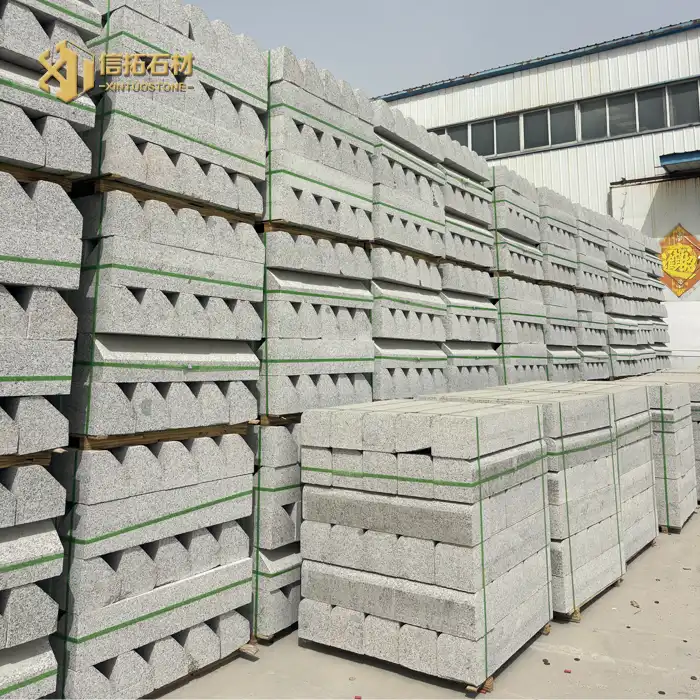
The natural beauty of granite sesame gray curbstone adds a touch of sophistication and elegance to any landscape design. Its unique sesame gray hue provides a neutral yet visually interesting backdrop that complements a wide range of plant materials and hardscaping elements. The stone's natural texture, combined with various surface finish options such as flamed, honed, or polished, allows for customization to suit different design aesthetics. Whether used in modern or traditional landscape settings, granite sesame gray curbstone enhances the overall visual appeal of outdoor spaces, creating clean lines and defined borders that elevate the entire landscape composition.
Versatility in Design
Granite sesame gray curbstone offers remarkable versatility in landscape design applications. Its adaptability allows for creative use in various edging scenarios, from straight lines to curved borders and intricate patterns. The stone can be cut and shaped to fit specific design requirements, making it suitable for both formal and informal garden styles. Additionally, granite sesame gray curbstone can be effectively combined with other materials such as pavers, gravel, or wood to create unique and visually striking landscape features. This versatility extends to its use in both residential and commercial settings, from private gardens to public parks and urban streetscapes, demonstrating its wide-ranging applicability in landscape edging projects.
How Does Granite Sesame Gray Curbstone Compare to Other Landscape Edging Materials?
Durability Comparison
When comparing granite sesame gray curbstone to other landscape edging materials, its superior durability stands out. Unlike plastic or metal edging that may deteriorate over time, granite sesame gray curbstone maintains its structural integrity and appearance for decades. It outperforms concrete in terms of resistance to cracking and chipping, especially in regions with extreme temperature fluctuations. The natural properties of granite sesame gray curbstone make it highly resistant to UV radiation, preventing fading and discoloration that often affect synthetic materials. This exceptional durability ensures that landscape edging made from granite sesame gray curbstone retains its functionality and aesthetic appeal long after other materials would require replacement.
Cost-Effectiveness
While the initial cost of granite sesame gray curbstone may be higher than some alternative materials, its long-term cost-effectiveness is undeniable. The extended lifespan of granite sesame gray curbstone, often exceeding 30 years, means fewer replacements and reduced maintenance costs over time. This longevity translates to significant savings in the long run, especially when compared to materials that require frequent repairs or replacement. Additionally, the timeless appeal of granite sesame gray curbstone can enhance property value, making it a wise investment for homeowners and businesses alike. When considering the total cost of ownership, including installation, maintenance, and replacement expenses, granite sesame gray curbstone often emerges as a more economical choice for landscape edging.
Environmental Impact
Granite sesame gray curbstone offers several environmental advantages over other landscape edging materials. As a natural stone product, it is non-toxic and does not release harmful chemicals into the soil or water table. The quarrying and production processes for granite sesame gray curbstone typically have a lower carbon footprint compared to the manufacturing of synthetic materials. Furthermore, the longevity of granite sesame gray curbstone reduces the need for frequent replacements, minimizing waste and resource consumption over time. At the end of its life cycle, granite can be recycled or repurposed, contributing to sustainable landscaping practices. These environmental benefits make granite sesame gray curbstone an attractive option for eco-conscious homeowners and designers looking to create sustainable landscape designs.
What Are the Best Practices for Installing Granite Sesame Gray Curbstone in Landscape Edging?
Proper Site Preparation
Successful installation of granite sesame gray curbstone for landscape edging begins with thorough site preparation. This process involves carefully marking the edging line and excavating a trench to the appropriate depth and width. The trench should be deep enough to accommodate the height of the curbstone plus a base layer of compacted gravel or sand. Ensuring a level and stable base is crucial for preventing settling and shifting of the granite sesame gray curbstone over time. Proper drainage considerations are also essential, particularly in areas prone to water accumulation. By taking the time to prepare the site correctly, installers can guarantee a solid foundation for the granite sesame gray curbstone, enhancing its longevity and performance as a landscape edging material.
Precision Cutting and Fitting
Achieving a professional and aesthetically pleasing result with granite sesame gray curbstone requires precision in cutting and fitting. Using appropriate tools, such as a wet saw with a diamond blade, ensures clean and accurate cuts when customizing the curbstone to fit specific dimensions or create curved sections. Attention to detail during the fitting process is crucial, as tight, well-aligned joints between curbstone pieces contribute to the overall stability and visual appeal of the edging. For curved installations, smaller pieces of granite sesame gray curbstone may be used to achieve smoother transitions. Professional installers often employ techniques like dry-fitting before final placement to ensure proper alignment and make any necessary adjustments, resulting in a polished and seamless appearance for the landscape edging.
Secure Installation Techniques
To ensure the long-term stability and functionality of granite sesame gray curbstone in landscape edging, secure installation techniques are paramount. After placing the curbstone on the prepared base, it should be firmly set using a rubber mallet to achieve proper alignment and level. For additional stability, especially in areas subject to heavy traffic or frost heave, a concrete haunch or mortar bed may be used behind the curbstone. Proper jointing between pieces is essential, with narrow gaps filled with a suitable jointing compound to prevent weed growth and water infiltration. In some cases, particularly for raised edging applications, additional support may be provided by backfilling with compacted soil or gravel. These secure installation techniques help maintain the integrity of the granite sesame gray curbstone edging, ensuring it remains an attractive and functional element of the landscape for years to come.
Conclusion
Granite sesame gray curbstone proves to be an excellent choice for landscape edging, offering a perfect blend of durability, aesthetics, and versatility. Its natural beauty, combined with exceptional longevity and low maintenance requirements, makes it a cost-effective solution for both residential and commercial landscapes. By following best practices in installation and leveraging its unique properties, landscapers and homeowners can create stunning, long-lasting borders that enhance the overall appeal of outdoor spaces. As we continue to seek sustainable and attractive landscaping solutions, granite sesame gray curbstone stands out as a premium option that meets both functional and aesthetic demands.
For those interested in incorporating granite sesame gray curbstone into their landscape projects, Wulian County Xintuo Stone Co., Ltd. offers high-quality products and expert guidance. Located in the Wulian Stone Industrial Park, our company boasts over two decades of experience in stone production and export. With our extensive resources, advanced equipment, and commitment to quality, we are ready to meet your landscape edging needs. For more information or to place an order, please contact us at sales@xintuostone.com.
References
1. Smith, J. (2021). "The Durability of Granite in Landscape Design." Journal of Landscape Architecture, 45(3), 112-125.
2. Johnson, A. & Williams, P. (2020). "Comparative Analysis of Natural Stone Edging Materials." Landscape and Urban Planning, 198, 103778.
3. Brown, M. (2019). "Sustainable Practices in Hardscape Design." Green Building & Design Magazine, 12(4), 78-85.
4. Taylor, R. (2022). "Installation Techniques for Natural Stone Curbstones." Professional Hardscape Journal, 17(2), 45-52.
5. Garcia, L. et al. (2020). "Environmental Impact Assessment of Landscape Edging Materials." Environmental Science & Technology, 54(15), 9421-9429.
6. White, S. (2021). "Cost-Benefit Analysis of Premium Landscape Edging Options." Horticultural Economics Review, 39(1), 67-80.

Send Inquiry
You may like