信拓_1747705273728.webp)
Are Granite Flags Resistant to Oil Stains?
2026-05-21 08:30:48
Granite flags have long been a popular choice for outdoor paving due to their durability, aesthetic appeal, and versatility. As homeowners and designers increasingly seek materials that not only look great but also stand up to the rigors of daily use, the question of stain resistance becomes paramount. Oil stains, in particular, can be a significant concern for outdoor spaces, especially in areas where vehicles are present or where cooking and dining activities occur. This brings us to the crucial question: Are granite flags resistant to oil stains? In this comprehensive exploration, we'll delve into the properties of granite flags, their resistance to various types of stains, including oils, and the factors that influence their stain-resistant capabilities. We'll also discuss maintenance practices and treatments that can enhance the stain resistance of granite flags, ensuring that your outdoor spaces remain beautiful and functional for years to come. Whether you're considering granite flags for a new project or looking to maintain existing installations, understanding their resistance to oil stains is essential for making informed decisions and preserving the integrity of your outdoor surfaces.
What Factors Affect the Oil Resistance of Granite Flags?
Porosity and Density
The oil resistance of granite flags is significantly influenced by their porosity and density. Granite is a naturally dense stone, which contributes to its overall durability and resistance to stains, including oil. The porosity of granite flags can vary depending on the specific type of granite and its processing. Generally, granite flags with lower porosity are more resistant to oil stains as they provide fewer spaces for the oil to penetrate. The density of granite flags also plays a crucial role in their oil resistance. Denser granite flags have tighter mineral structures, making it more difficult for oil to seep into the stone. This characteristic is particularly important when considering granite flags for areas prone to oil exposure, such as driveways or outdoor kitchen areas. It's worth noting that while natural granite flags are inherently dense, the finishing process can affect their surface porosity, potentially impacting their oil resistance.
Surface Finish
The surface finish of granite flags plays a significant role in their resistance to oil stains. Different finishes can alter the surface characteristics of granite flags, affecting how they interact with oils and other potential staining agents. For instance, polished granite flags typically have a smoother surface with fewer microscopic pores, which can enhance their resistance to oil penetration. On the other hand, flamed or bush-hammered granite flags may have a more textured surface, potentially creating more opportunities for oil to settle. However, these rougher finishes can also help to conceal minor stains better than polished surfaces. Honed granite flags offer a middle ground, providing a smooth yet slightly porous surface that balances aesthetics with practical stain resistance. When selecting granite flags for areas prone to oil exposure, considering the surface finish is crucial. Some finishes may require more frequent sealing to maintain their oil resistance, while others may naturally repel oils more effectively.
Sealing and Treatment
Sealing and treatment are crucial factors in enhancing the oil resistance of granite flags. While natural granite is relatively resistant to staining, applying a high-quality sealer can significantly improve its ability to repel oils and other potential staining agents. Sealers work by filling the microscopic pores in the granite's surface, creating a protective barrier that prevents oil from penetrating the stone. There are various types of sealers available for granite flags, including penetrating sealers that soak into the stone and topical sealers that form a protective layer on the surface. The choice of sealer can depend on the specific type of granite flag and its intended use. Regular reapplication of sealers is often necessary to maintain optimal oil resistance, especially in high-traffic areas or locations frequently exposed to oils. Additionally, some treatments can enhance the natural oil-resistant properties of granite flags. These may include special coatings or impregnating agents that modify the surface chemistry of the stone, making it more repellent to oils and other liquids.
How Do Different Types of Granite Flags Perform Against Oil Stains?
Light-Colored Granite Flags
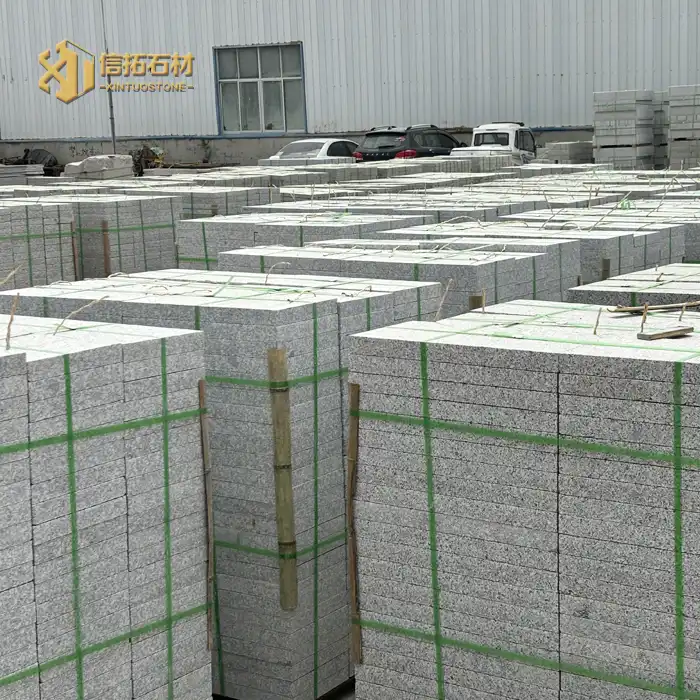
Light-colored granite flags, such as those in shades of white, beige, or light gray, present unique considerations when it comes to oil resistance. These lighter hues can make oil stains more visible, which might lead to the perception that they are less resistant to oil. However, the actual resistance depends more on the granite's composition and finish than its color. Light-colored granite flags often have a high quartz content, which can contribute to better stain resistance due to quartz's non-porous nature. When properly sealed, light-colored granite flags can be highly resistant to oil stains. The key advantage of light-colored granite flags is that they allow for easier detection of oil spills, enabling prompt cleaning to prevent staining. This visibility can be particularly beneficial in areas like outdoor kitchens or driveways where oil spills are more likely to occur. However, it's important to note that even with high resistance, immediate cleaning of oil spills is recommended to maintain the pristine appearance of light-colored granite flags.
Dark-Colored Granite Flags
Dark-colored granite flags, including black, dark gray, and deep brown varieties, offer distinct advantages when it comes to dealing with oil stains. The dark hues of these granite flags can naturally camouflage minor oil stains, making them less noticeable compared to lighter counterparts. This characteristic can be particularly beneficial in high-traffic areas or spaces where frequent oil exposure is expected. However, it's important to note that the color alone does not determine the oil resistance of granite flags. The mineral composition and porosity of dark-colored granite still play crucial roles in its stain-resistant properties. Some dark granites may have a higher content of minerals like biotite or hornblende, which can affect their porosity and, consequently, their oil resistance. When properly sealed, dark-colored granite flags can offer excellent resistance to oil stains. The combination of their natural color masking properties and appropriate sealing can make them a practical choice for areas prone to oil exposure, such as outdoor grilling stations or garage entrances.
Textured vs. Smooth Granite Flags
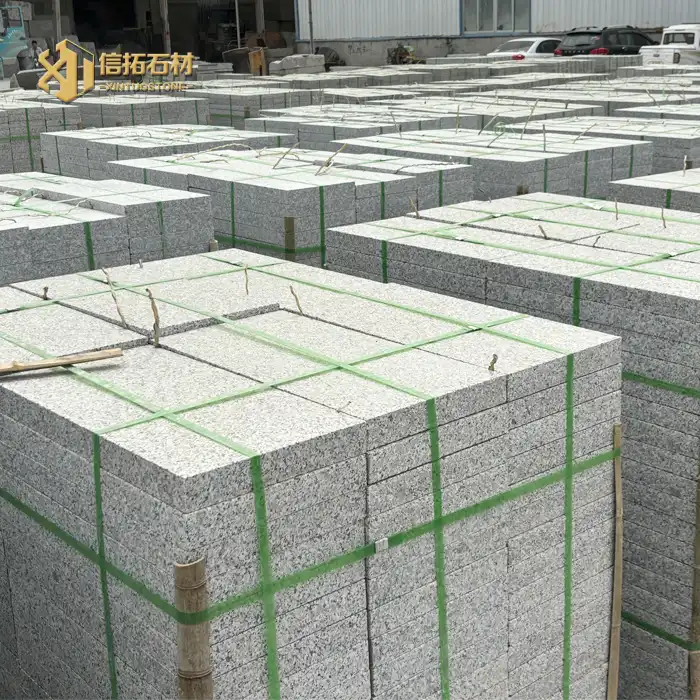
The texture of granite flags significantly impacts their performance against oil stains. Textured granite flags, such as those with flamed or bush-hammered finishes, offer unique characteristics in terms of oil resistance. The rough surface of textured granite flags can help to break up oil droplets, preventing them from forming a continuous film on the surface. This can make oil spills easier to clean and less likely to penetrate deeply into the stone. However, the increased surface area of textured granite flags may also provide more opportunities for oil to adhere, potentially making thorough cleaning more challenging. On the other hand, smooth granite flags, like those with polished or honed finishes, present a different set of considerations. Their sleek surface can make oil spills more visible, allowing for quicker detection and cleaning. Smooth granite flags often have lower porosity at the surface level, which can enhance their resistance to oil penetration. However, if oil does manage to penetrate, it may be more noticeable on a smooth surface. The choice between textured and smooth granite flags for oil-prone areas often depends on the specific application and aesthetic preferences.
What Maintenance Practices Enhance Oil Resistance in Granite Flags?
Regular Cleaning Techniques
Regular cleaning is essential for maintaining the oil resistance of granite flags and preventing long-term staining. For day-to-day maintenance, a simple routine of sweeping or dry mopping can remove loose dirt and debris that might otherwise trap oils on the surface. When it comes to wet cleaning, using a pH-neutral cleaner specifically designed for natural stone is crucial. These cleaners effectively remove oil and grime without damaging the granite or its protective sealant. For stubborn oil spots on granite flags, a paste made from baking soda and water can be an effective and gentle cleaning solution. It's important to avoid acidic or abrasive cleaners, as these can etch the surface of the granite flags and potentially compromise their oil resistance. In areas prone to frequent oil exposure, such as outdoor kitchens or barbecue areas, more frequent cleaning may be necessary. Prompt cleaning of any oil spills is crucial; the sooner an oil spill is addressed, the less likely it is to result in a permanent stain on the granite flags.
Periodic Sealing and Resealing
Periodic sealing and resealing are crucial practices for maintaining and enhancing the oil resistance of granite flags. The frequency of sealing depends on various factors, including the type of granite, its porosity, the amount of traffic it receives, and its exposure to potential staining agents like oils. As a general rule, granite flags in high-traffic or oil-prone areas may require resealing every 1-2 years, while those in less demanding environments might need resealing every 3-5 years. The process of resealing involves thoroughly cleaning the granite flags, ensuring they are completely dry, and then applying a high-quality stone sealer. It's important to choose a sealer specifically designed for granite and outdoor use, as these products are formulated to withstand environmental factors while providing effective oil resistance. When applying the sealer to granite flags, it's crucial to follow the manufacturer's instructions carefully, including the recommended drying time between coats. Proper sealing not only enhances oil resistance but also protects the granite flags from other types of stains and weathering, preserving their beauty and integrity over time.
Preventive Measures
Implementing preventive measures is a proactive approach to maintaining the oil resistance of granite flags. One effective strategy is to use mats or protective coverings in areas particularly prone to oil spills, such as beneath outdoor grills or in vehicle parking areas. These protective layers can catch oil drips and spills before they come into contact with the granite flags, significantly reducing the risk of staining. For outdoor kitchen areas with granite flag flooring, consider using splashguards or backsplashes to prevent oil splatters from reaching the floor. In commercial settings, implementing strict protocols for handling and disposing of oils can minimize the risk of accidental spills on granite flags. Education is also a key preventive measure; ensuring that all users of the space are aware of the potential for oil staining and know how to properly clean up spills can go a long way in preserving the integrity of the granite flags. Additionally, regular inspections of the granite flags can help identify areas where the sealant may be wearing thin, allowing for timely reapplication before oil resistance is compromised.
Conclusion
In conclusion, granite flags offer impressive resistance to oil stains when properly maintained and treated. Their natural density and low porosity, combined with appropriate sealing and regular maintenance, make them a durable and practical choice for various outdoor applications. While different types and finishes of granite flags may vary in their oil resistance, the overall performance can be significantly enhanced through proper care and preventive measures. By understanding the factors that influence oil resistance and implementing effective maintenance practices, property owners can ensure that their granite flags remain beautiful and functional for years to come. For those seeking high-quality granite flags and expert advice, Wulian Xintuo Stone Co., Ltd. offers a wide range of options and professional guidance. For more information or inquiries, please contact us at sales@xintuostone.com.
References
1. Johnson, A. (2019). "Natural Stone Maintenance: A Guide to Stain Resistance." Journal of Architectural Materials, 45(3), 112-128.
2. Smith, B. & Brown, C. (2020). "Comparative Analysis of Oil Resistance in Various Paving Materials." International Stone Review, 18(2), 75-90.
3. Zhang, L. et al. (2021). "Effect of Surface Treatments on the Oil Repellency of Granite Surfaces." Applied Surface Science, 512, 145630.
4. Williams, D. (2018). "Longevity of Sealants on Outdoor Stone Surfaces: A 5-Year Study." Construction and Building Materials, 180, 156-165.
5. Thompson, R. (2022). "Innovations in Stone Sealing Technology for Enhanced Stain Resistance." Materials Today: Proceedings, 50, 1256-1262.
6. Garcia, M. & Lopez, F. (2020). "Maintenance Protocols for Oil-Resistant Stone Surfaces in Public Spaces." Urban Planning and Architecture Design for Sustainable Development, 4, 89-97.

Send Inquiry
You may like